

What the ë-Relay Actually Is
rel e van Guide:The ë-Relay is the battery-electric sibling of the diesel Relay, which is Citroën’s answer to the big-van class. The Relay itself is part of a platform shared across several brands, and the Citroën Jumper article on Wikipedia explains the family tree (the same van is sold under different names in different markets).
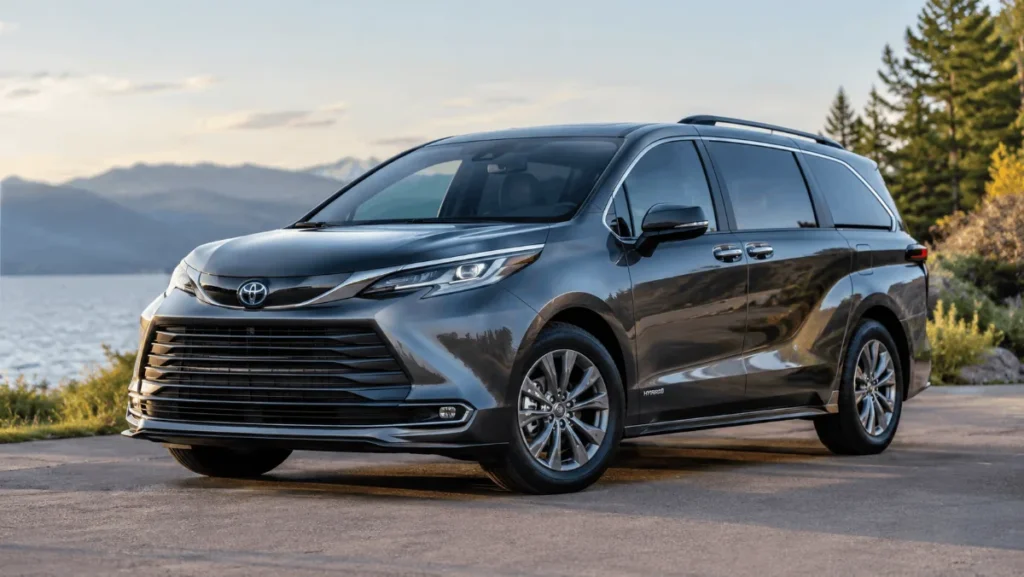
The electric version shares its design and drivetrain with relatives from Peugeot, Vauxhall, Fiat and Toyota, according to the What Car? review. That matters more than it sounds. Shared underpinnings usually mean wide parts availability and a broad dealer network, which is a quiet advantage when your van is your income.
The ë-Relay was the last van in Citroën’s line-up to go electric, arriving after the ë-Berlingo and ë-Dispatch. In my experience, large electric vans get judged harshly on range first and everything else second, and the ë-Relay has had to earn its reputation on that front.
Batteries, Range, and What the Numbers Really Mean
Early UK versions launched with a choice of 37kWh and 70kWh batteries, as Parkers reported at launch. That was enough for urban rounds but thin for anything resembling long-haul work.
Citroën has since moved the van up the ladder. Current dealer and leasing listings describe a 110kWh battery paired with a more powerful motor, and one listing quotes a range of 262 miles for a heavy L4H2 model. Treat that as a best-case figure. Manufacturer range numbers come from test cycles, and a fully loaded van at motorway speed in winter will return less, sometimes a lot less.
My honest advice: take whatever official range is quoted and mentally cut it by a quarter to a third for real-world planning, then check whether your longest regular day still fits. If it does with room to spare, you’re fine. If it only works on paper, you’ll be rerouting to chargers and losing billable hours.
Specifications and battery options change by model year and market, so confirm the exact setup on Citroën’s official site before you commit.
Payload and Load Space: The Trade-Off Nobody Mentions Early
Batteries are heavy, and that weight comes straight out of what the van can carry. Citroën’s own dealer pages describe the diesel Relay as offering up to 1,870kg of payload and 17 cubic meters of volume, across four lengths and three heights. The electric version gets up to 1,150kg and up to 15 cubic meters, in three lengths.
Later heavier-rated variants stretch that. A couple of leasing listings show payloads around 1,400 to 1,460kg on certain 4.0 tonne configurations, though they also list models at only 710kg, so the spread between versions is huge. Always look at the payload of the exact variant, not the headline number.
The reassuring part is that the electric conversion doesn’t steal cargo volume. Reviewers have noted the load area isn’t compromised by the battery pack. The ë-Relay also only comes with one roof height in some earlier versions, the common H2, giving about 1,932mm of internal height according to What Car?, so tall-cargo users should check heights before ordering.
Driving and Daily Use
Expect a big van that behaves like one. What Car? described the steering as quite heavy, even by large van standards, though it lightens at speed. The van is also heavy empty, which you feel in tight corners and on bumpy roads.
On the plus side, electric power delivers instant torque and a quiet cabin. After a day of city stops, the lack of engine drone is one of those things you only fully appreciate when you go back to diesel.
Equipment is respectable for the class. Earlier versions came with a 5-inch colour touchscreen, heated electric mirrors and air conditioning. Citroën also pitches the cabin as a mobile office with decent soundproofing and seating built around comfort, which fits how many drivers really use these vans.
Charging: Where a rel e van Plan Lives or Dies
Charging is the part that decides whether an electric van helps or hurts your business. Leasing listings mention a 22kW onboard charger on some heavy trims, and reviewers have called charging speeds relatively fast by class standards. That suits overnight depot charging well.
Practical reality check. If you can plug in at a depot or your own premises every night, the economics get much easier. If you rely on public rapid chargers for every working day, you’ll lose time queuing, and large vans don’t always fit awkward charging bays. Check the height and length of any charging stops on your regular route.
If you’re running several vans, ask an electrician about your site’s power supply before you order. Charging three or four vans at once can overload a standard commercial connection, and fixing that is a cost many buyers forget to budget.
What It Costs
At UK launch, Parkers reported prices from £51,285 for the entry L2 panel van with the 37kWh battery, up to £62,930 for the L4 window van with the larger battery, excluding VAT and including the Plug-In Van Grant of the time. Those figures are old and the grant landscape has changed, so don’t treat them as current.
Today many buyers meet the van through leasing. Several UK listings in recent searches show contract hire quotes in the region of £670 to £720 per month excluding VAT for 110kWh models, but those depend on mileage, term and deposit. Prices and incentives move often, so get a current quote from a dealer or leasing broker.
An electric van is significantly more expensive to buy than a diesel one, as What Car? points out. The savings come later, through fuel, servicing and, depending on where you operate, congestion or clean air zone exemptions.
Who Should Buy One, and Who Shouldn’t
It suits businesses with predictable daily mileage, overnight charging, and mostly urban or regional routes. Couriers, facilities firms, utility contractors and delivery fleets are the natural fit. It’s also a smart choice if you drive into low-emission zones regularly.
Skip it if your work involves long unscheduled trips, towing heavy trailers, or pushing payload limits every day. In those cases the diesel Relay still carries more, and you won’t have to plan charging stops around deliveries. And if you’re a sole trader with no off-street parking and no depot, living with an electric van this size can be a daily headache.
Alternatives Worth Cross-Shopping
The closest alternatives are its platform siblings (Peugeot e-Boxer, Vauxhall Movano-e, Fiat E-Ducato and Toyota’s equivalent), which are essentially the same van with different badges. Choose between them on price, dealer proximity and warranty terms.
If you’re willing to look beyond that family, the Ford E-Transit is a popular rival with a strong reputation and wide body options. Mercedes, Renault and Iveco also sell large electric vans, and it’s worth getting quotes from at least two of them. In my experience, a head-to-head test drive tells you more than any spec sheet, especially on steering feel, visibility and driver comfort.