






Vitamin C Serum: How to Choose and Use One Right (2026)
Vitamin C Serum: Vitamin C is an antioxidant, which means it helps neutralize unstable molecules (free radicals) produced by UV exposure and pollution. On skin, it also plays a role in collagen production and can fade the dark marks left behind by acne or sun damage. The NIH Office of Dietary Supplements covers the nutrient’s role in the body, including collagen formation, which is the same reason dermatologists talk about it for skin.
What you can realistically expect is modest and gradual. Brighter tone, a bit more evenness, and some protection against future damage. You won’t erase deep wrinkles or flip your skin overnight, and anyone promising that is selling you something.
In my experience, people who stick with a good vitamin c serum for two or three months notice the difference mostly in how their dark spots fade, not in dramatic texture changes. Patience matters more than the price tag.
The Forms of Vitamin C (And Why They’re Not Equal)
This is the part most product pages gloss over. The pure form is L-ascorbic acid, the most studied and generally the most potent. Ascorbic acid is also the form that breaks down fastest when exposed to air, light, and heat.
Then there are derivatives, such as magnesium ascorbyl phosphate, sodium ascorbyl phosphate, ascorbyl glucoside and tetrahexyldecyl ascorbate. They’re gentler and more stable, but your skin has to convert them into active vitamin C, so results can be slower and less certain.
My lean is simple. If your skin tolerates it, start with L-ascorbic acid, since it has the strongest research behind it. If you have sensitive skin or you’ve been burned before by stinging, a derivative is a smart way in.
Concentration and pH: The Numbers That Matter
Research on topical L-ascorbic acid has generally pointed to concentrations of roughly 10% to 20% as the effective range, with a low pH (below about 3.5) helping the ingredient penetrate. Higher isn’t automatically better. Past about 20%, you mostly get more irritation, not more benefit.
Many brands don’t list pH, which is frustrating. If a product shows only a tiny percentage of vitamin C near the end of its ingredient list, that’s a hint it’s there mostly for the label.
One thing worth flagging is that derivatives follow different rules, so don’t judge a 5% derivative serum by the L-ascorbic acid benchmark. Read the specific form on the label and compare like with like.
How to Pick a Vitamin C Serum That Won’t Spoil
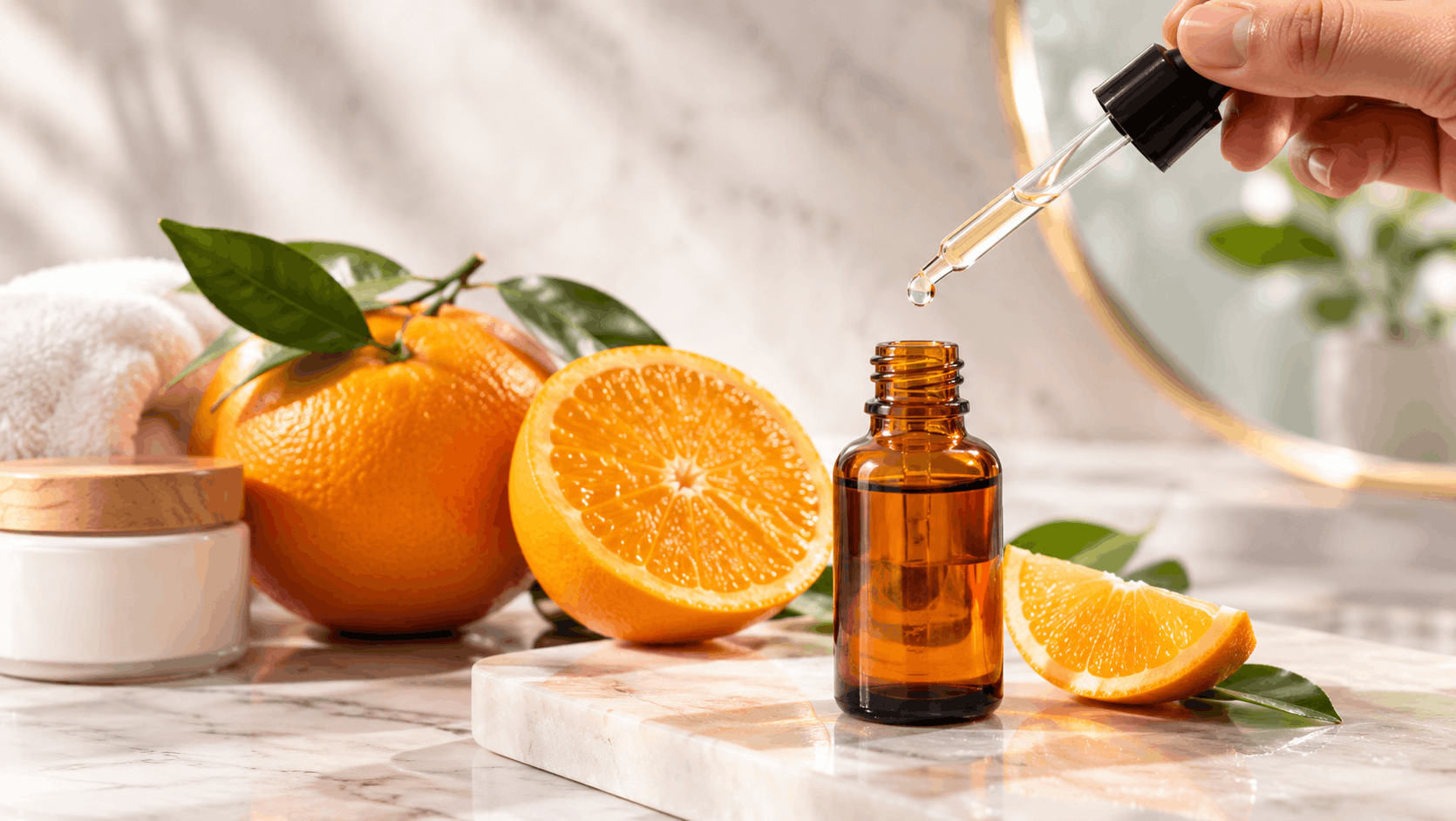
Stability is the biggest practical issue. Look for an opaque or dark glass bottle, ideally with a dropper or pump that limits air exposure. Clear bottles are a bad sign, because light degrades the ingredient.
Check the color too. A fresh serum is usually clear to pale yellow. If it turns deep orange or brown, it has oxidized, and I’d toss it. Oxidized vitamin C won’t do much good and may irritate your skin.
Pairings help. Formulas with vitamin E and ferulic acid are popular because that combination was shown in a well-known study to improve stability and boost photoprotection compared with vitamin C alone. Smaller bottles are also a quiet advantage, since you’ll finish them before they go bad.
And storage matters. A cool, dark drawer beats a sunny bathroom counter every time. Some people keep theirs in the fridge, which isn’t necessary for every formula but doesn’t hurt.
How to Use a Vitamin C Serum Step by Step
The routine is simple, and the order is what trips people up.
- Cleanse your face and pat it mostly dry.
- Apply a few drops of the serum to your face and neck, avoiding the eye area at first.
- Let it absorb for a minute or two.
- Follow with moisturizer.
- Finish with broad-spectrum sunscreen (SPF 30 or higher) in the morning.
Morning is the usual choice because vitamin C’s antioxidant action complements sunscreen. It doesn’t replace sunscreen, though, and this is where people go wrong. The American Academy of Dermatology recommends daily broad-spectrum sun protection, and no serum changes that.
Start with every other day for the first week or two. If your skin stays calm, move to daily use.
Mistakes That Waste Your Money
Using too much is a common one. A few drops cover your whole face, and slathering on more won’t speed anything up. It will mostly cause stinging or flaking.
Another is skipping a patch test. Apply a small amount to your inner forearm or behind your ear for a day or two before putting it on your face, especially with L-ascorbic acid, which can sting on sensitive skin.
Then there’s the stale serum problem. If your bottle has been open for a year, it’s probably past its best. Most manufacturers give a window after opening, so check the packaging.
Expecting instant results also leads people to quit too early. Give it at least eight to twelve weeks before judging.
Mixing With Other Skincare Ingredients
You’ll see a lot of warnings online about not combining vitamin C with other actives. Some are outdated. The old claim that vitamin C and niacinamide cancel each other out has been largely walked back, and many routines pair them without trouble.
Retinol and strong exfoliating acids are different. Together with L-ascorbic acid, they raise the odds of irritation, especially if you’re new to all of them. A common setup is vitamin C in the morning and retinol at night. In my experience, that split solves most problems before they start.
If your skin feels tight, red or tingly, pull back. Irritated skin heals slowly, and a damaged barrier makes every product feel worse.
Who Should Use It, and Who Might Skip It
A vitamin C serum suits people dealing with dullness, uneven tone, sun spots or post-acne marks, and anyone who wants a daytime antioxidant under sunscreen. It’s also a sensible addition in your late twenties and beyond, when the early signs of sun damage start to show.
You might skip or delay it if you have very reactive skin, active eczema or a compromised barrier. Introduce it slowly or try a gentler derivative, and ask a dermatologist if you have a skin condition or aren’t sure what’s safe. Pregnant or nursing people should check with their doctor before adding new active ingredients.
Price doesn’t reliably predict quality here. Some affordable serums are well formulated, while some expensive ones are packaged in clear bottles that defeat the point. Judge on formula, packaging and your skin’s tolerance, not the cost.