


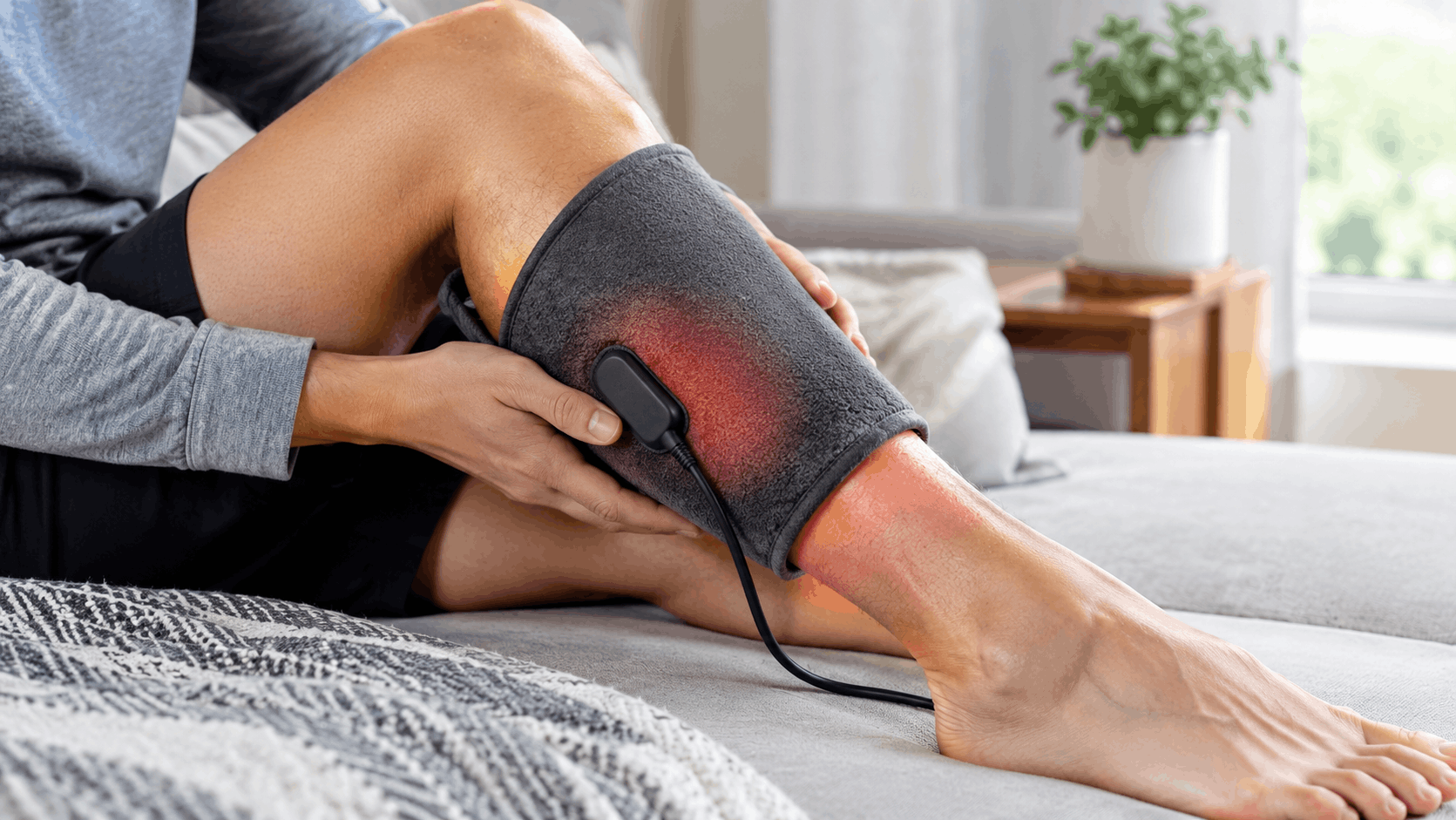
Heating Pad for Charley Horse: What Works and What’s Safe
Heating Pad for Charley Horse. “Charley horse” is the everyday name for a sudden, involuntary muscle cramp, most often in the calf, though thighs and feet get them too. The muscle contracts hard and won’t let go, sometimes for seconds, sometimes for minutes, and it can leave the area sore for a day afterward. The muscle cramp article on Wikipedia gives a good overview of the physiology.
Common triggers include overexertion, dehydration, low electrolytes, staying in one position too long, and certain medications. Nighttime cramps are especially common, and in my experience people often blame the mattress or their sleep position when the real culprits are hydration and a hard workout the day before.
There’s also a second meaning worth knowing. In sports, “charley horse” sometimes describes a deep muscle bruise, usually from a blow to the thigh. That’s a different problem, and heat isn’t the right first move for it, which I’ll come back to.
How Heat Helps a Cramp
Heat increases blood flow and relaxes tight muscle fibers, which is why a warm pad feels so good on a cramped calf. It won’t stop a cramp the instant it hits, but it can calm the lingering tightness and help the muscle settle.
The National Library of Medicine’s MedlinePlus notes that cramps usually go away on their own and that gentle stretching and massage help. Heat fits neatly as an add-on. The general guidance from many health sources is to stretch the muscle first, then apply warmth to ease the leftover stiffness.
What tends to surprise people is how much the stretch matters. If you slap a heating pad on a cramping calf and stay curled up, the muscle can stay locked. Straighten the leg, flex your foot toward your shin, and hold it for a moment. Then add the heat.
Using a Heating Pad for Charley Horse, Step by Step
Here’s the routine I’d follow.
- Stop what you’re doing and gently stretch the cramped muscle until the knot loosens.
- Massage the area lightly for a minute or so.
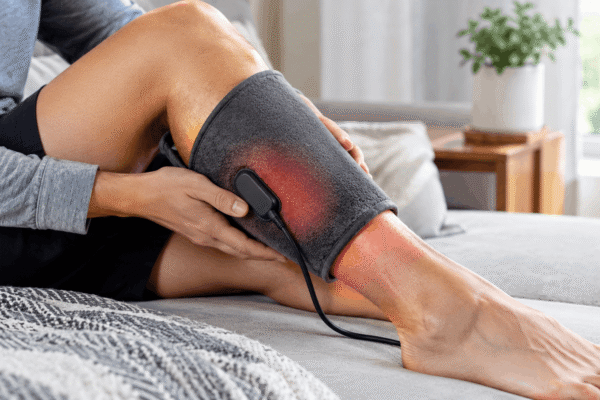
- Place the heating pad on the muscle over a thin layer of clothing, never directly on bare skin if the pad runs hot.
- Use low or medium heat for about 15 to 20 minutes.
- Remove the pad, drink some water and walk around a bit.
Check your skin every few minutes. If it looks bright red or feels painful, stop. Burns from heating pads happen more often than people expect, particularly when someone falls asleep on one.
One thing worth flagging is that a pad shouldn’t be a bedtime companion all night. Use one to relax the muscle, then turn it off before you drift off, or choose a model with an automatic shutoff.
Choosing the Right Type of Pad
Electric pads plug in and give steady heat, with temperature settings you can adjust. They’re the convenient choice for a nighttime cramp because you don’t have to wait for anything to warm up. Look for an automatic shutoff, a soft cover, a long enough cord, and a size that wraps your calf or thigh without sliding off.
Microwavable pads filled with grain or gel are cordless and often provide moist heat, which many people find more penetrating. The downside is that they cool off after 20 minutes or so, and uneven microwave heating can create hot spots, so follow the manufacturer’s timing carefully.
Wrap-style pads, which strap around a leg, stay in place better than flat pads, and that matters if you move around. Disposable heat wraps work in a pinch but are single-use and more expensive over time.
My lean for someone dealing with occasional nighttime cramps is a mid-sized electric pad with auto shutoff. If you’re mostly traveling or at the gym, a microwavable wrap is more practical. Prices vary widely and change often, so compare current listings instead of trusting a number from an article.
When Heat Is the Wrong Choice
Skip heat if the area is swollen, bruised or hot to the touch. A charley horse from a hard hit, which is really a muscle contusion, usually needs ice and rest in the first day or two. Heat can increase swelling in that case.
Be careful if you have diabetes, nerve damage or reduced sensation in your legs. If you can’t feel temperature well, you can burn yourself without noticing. The same caution applies to anyone with poor circulation, and to people who’ve been drinking or taking medication that makes them drowsy.
Don’t use a heating pad over broken skin, and don’t tuck one under your body while you lie on it. Concentrated pressure plus heat is a recipe for burns.
The U.S. Consumer Product Safety Commission publishes safety information on household products, and it’s worth checking if you’re considering an older pad. Frayed cords and worn controls are reasons to retire one.
Other Things That Ease and Prevent Cramps
Heat is one tool. A warm shower or bath works if you don’t have a pad handy. Gentle walking helps the muscle recover, and a foam roller or hand massage can break up lingering tightness.
For prevention, drink enough water throughout the day, not just at bedtime. If you sweat a lot, think about electrolytes. Stretch your calves and hamstrings in the evening, especially after hard workouts. The NHS guidance on cramp lists practical habits, such as regular stretching and good hydration, that reduce how often cramps strike.
Footwear and posture matter too. Long periods in unsupportive shoes or sitting with your legs crossed for hours can set the stage for a night cramp.
When a Charley Horse Isn’t Just a Charley Horse
Most cramps are harmless, but a few situations deserve a doctor’s attention. Frequent cramps, cramps that don’t improve with stretching and hydration, or cramping alongside weakness or numbness are worth mentioning to a clinician. Some medications, including certain diuretics and statins, are known to contribute to cramps, so ask your pharmacist or doctor before changing anything.
Pay particular attention if one leg is swollen, red, warm and painful, especially after a long flight, surgery or time in bed. That combination can signal a blood clot, and the deep vein thrombosis overview on Wikipedia explains why it needs prompt medical care. Don’t massage or heat a leg you suspect has a clot. Call your doctor or seek urgent care.
I’d rather you over-ask than under-ask here. A calf that hurts constantly and looks different from the other one isn’t a normal cramp.
Who a Heating Pad Suits, and Who Should Pick Something Else
A heating pad is a good fit for healthy adults with occasional cramps who want an easy, low-cost comfort aid. It’s a tidy way to follow up a stretch and settle a sore calf.
It’s less suitable for anyone with numbness, circulation problems, skin conditions or a swollen, injured muscle. In those cases, talk to a doctor and consider alternatives such as gentle movement, rest or a cold pack for acute bruising.