
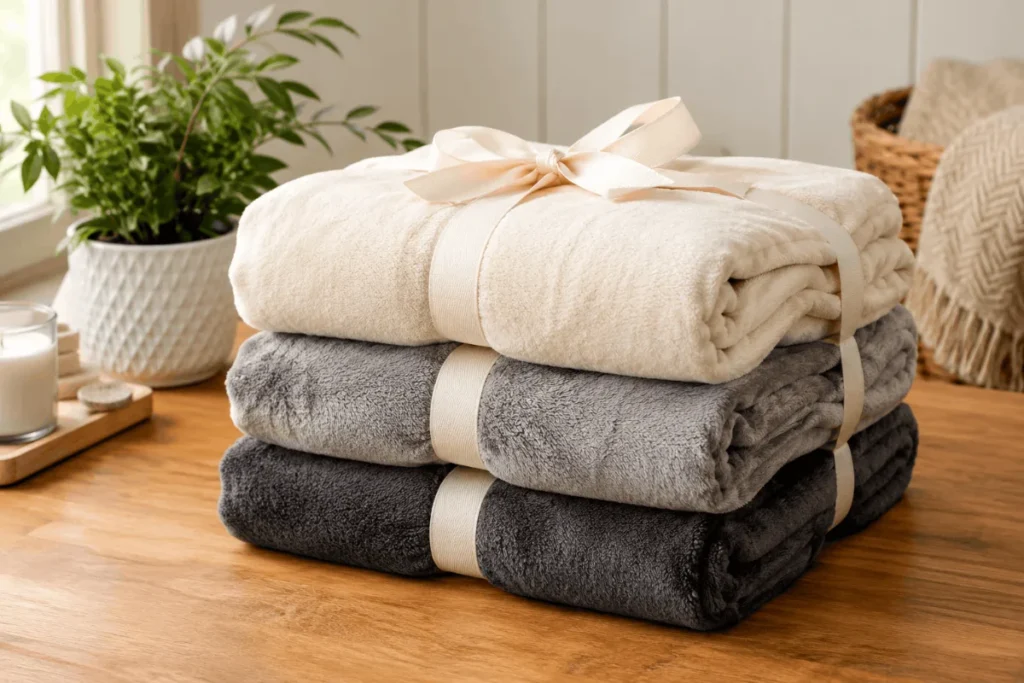

Bundle Bundles:Companies bundle because it helps them in ways that aren’t obvious at the checkout. The economics are described in the product bundling overview on Wikipedia, which separates pure bundling (you can only buy the package) from mixed bundling (you can buy items alone or together at a discount).
For the seller, the benefits are straightforward. A bundle raises the average order size, moves slower-selling items alongside popular ones, and simplifies the decision for the shopper. For the buyer, the pitch is convenience and a lower combined price.
What tends to surprise people is how often the discount isn’t the point. The real draw is the feeling of getting something extra, and that feeling can be worth more to the buyer than the actual dollar savings.
The Main Kinds of Bundles
Product bundles pair physical items, such as a razor with blades or a phone with a case and charger. Software bundles package several apps or tools under one license, like the apps in Microsoft 365. Service bundles combine utilities, such as internet, TV and phone from the same provider.
Then there are pay-what-you-want or tiered bundles, like those at Humble Bundle, where the more you pay, the more items you unlock and part of the proceeds can go to charity. Subscription bundles combine multiple recurring services under one monthly fee.
In my experience, the type that deserves the most scrutiny is the service bundle, because it often ties you to a contract and an introductory price that jumps later.
How to Tell If Bundle Bundles Are Worth It
The test is simple: would you buy each item separately at full price? If the answer is yes for everything in the package, the bundle is probably a good deal. If you’d only want half of it, the savings are an illusion.
Here’s a made-up example. A bundle costs $120 and includes three items priced separately at $60, $40 and $50. You’d only use the first two. Buying them alone costs $100, so the bundle costs $20 more than what you actually need, even though it “saves” $30 off the listed total. Always compare against what you’d really buy.
Also check the per-item price. Some bundles add a low-value filler item to inflate the stated savings. And watch for the opposite trap, where the main product is overpriced inside the package and the extras are the discounted part.
Price Anchoring and Other Tricks
Sellers often use a high “regular” price to make the bundle price look like a bargain. That’s a classic use of anchoring, the tendency to rely heavily on the first number we see.
You can defend yourself by looking up the actual selling prices of each item over time, not the strikethrough number on the page. Price-tracking tools and a quick search at a couple of retailers will tell you whether the “list price” was ever real.
Limited-time countdown timers deserve a raised eyebrow too. Some are genuine; many are not. A good rule is that if you need to rush, you probably need to wait.
Service and Subscription Bundles: Read the Fine Print
Telecom and streaming bundles are where small print costs people the most. Check how long the promotional price lasts, what it rises to afterward, whether there’s a contract or early termination fee, and what equipment fees get added on top.
Look at whether the bundle can be changed later. Some providers make it easy to drop one service; others let you cancel only the whole package. Ask before you sign.
Rules around subscriptions and cancellations have been changing, and they vary by country and state. The Federal Trade Commission’s consumer advice site is a reliable place to check what protections apply and how to file a complaint if a company makes cancelling difficult. Save your receipts and screenshot the terms at signup.
When a Bundle Is a Great Deal
A bundle works well when the items genuinely belong together, and you were already planning to buy them. A new laptop with a case, a mouse, and an extended warranty you’d have purchased anyway is a sensible example. So is a software suite where you actively use most of the apps.
It also makes sense when the unbundled price is high enough that the combined discount is substantial, and when the package removes a hassle, such as one bill and one support line for multiple services.
I lean toward bundles for things I know I’ll use up or need soon. For aspirational purchases, like the extra gadget I might get around to using, I’d rather buy only the core item.
Bundle Bundles for Sellers: Building Offers That Convert
If you’re on the selling side, start with items that complement each other. A coffee grinder paired with beans and a scoop makes sense. A grinder paired with a random phone case doesn’t.
Keep the discount meaningful but not reckless. Heavy discounting on your flagship product trains customers to wait for the sale, and it eats your margin. A better approach is to discount the add-ons, or to include a small bonus that costs you little but feels valuable.
Make the savings obvious. Show the individual prices, the bundle price, and the difference. People won’t do math in a hurry, so do it for them.
Test different configurations. Try a “good, better, best” tier layout and see which version customers choose. Many shops find that a middle option attracts most buyers when it sits between a basic and a premium package.
And be honest. Overstated savings and filler products erode trust, and returns can wipe out the extra revenue.
Digital and Game Bundles
Digital bundles are popular because the extra items cost almost nothing to deliver. Game and ebook bundles often offer a lot of content for a low price, and tiered versions let you pay more for extra content. They can be fantastic value if you actually play or read what’s included.
The risk is a backlog that never gets touched. I’d suggest buying a bundle for the one or two items you care about and treating the rest as a bonus. If the price is right for those alone, you’re safe.
Check the license terms too, particularly whether keys work in your region, whether the items are tied to a specific platform and whether anything expires.
Mistakes People Make With Bundles
They buy because of the percentage off, not because of need. They forget to check the price of the same items elsewhere. They overlook renewal prices and cancellation rules, and they ignore what happens if one item in the package breaks or becomes unavailable.
Another is bundling for the sake of free shipping. Sometimes it makes sense, but adding a $30 item you don’t need to save $8 on delivery costs you $22.
For sellers, the common mistakes are bundling unrelated items, discounting too deeply and making the offer complicated. If shoppers need a chart to understand it, they’ll leave.
A Simple Checklist Before You Buy
Ask what you’d buy on your own, what each item costs separately at a normal price, whether the promotional rate ends, how to cancel or return pieces and whether the seller is reputable. If the answers are clear and the numbers still work, go ahead.
Prices and promotions change often, so check current offers directly with the seller. A bundle that’s good today may not be next month.