






Non Alcoholic Functional Beverages: What They Actually Do
Non alcoholic functional beverages are drinks built around a specific ingredient, adaptogens, nootropics, probiotics, or botanicals, meant to deliver a targeted effect like stress relief, focus, or gut health, without any alcohol involved. Walk into a grocery store today and the beverage aisle looks less like a place to grab a drink and more like a wellness clinic, with cans promising calm, clarity, or better digestion sitting right next to the sodas they’re increasingly replacing.
This category has grown fast, and it’s not hard to see why. Alcohol consumption has been declining for years, and a lot of people, particularly younger drinkers, want something that feels intentional and social without the hangover or the impairment. That gap is exactly what this category is built to fill.
What Actually Counts as a Functional Beverage
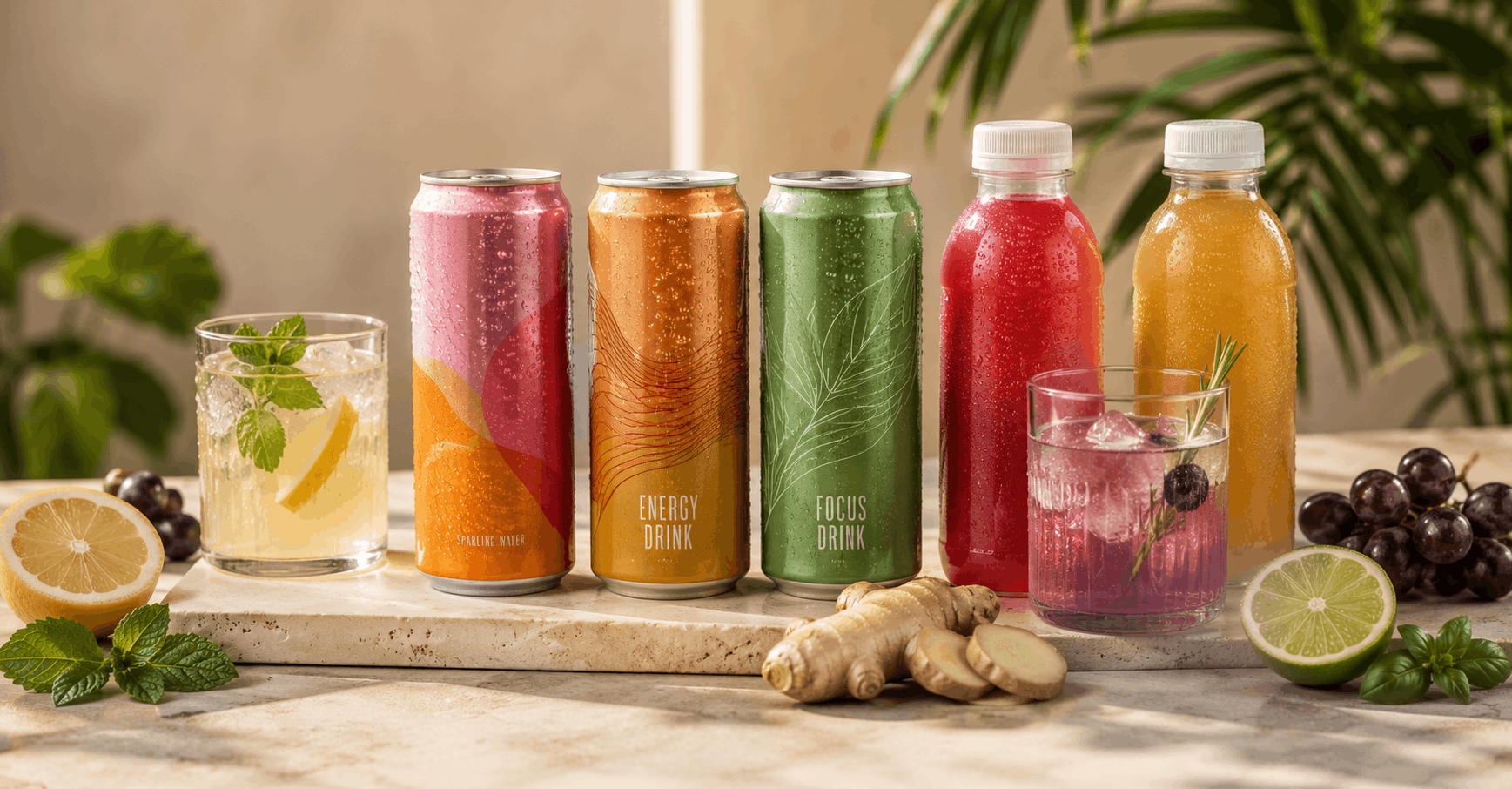
The term covers more ground than people expect. It includes non-alcoholic spirits, beers, and wines made with added functional ingredients, but it also includes juices, smoothies, and sparkling drinks that never had an alcoholic counterpart to begin with. What unites them is the deliberate addition of ingredients meant to do something specific, rather than just taste good or provide calories.
According to FoodNavigator’s industry coverage, the category spans four main ingredient groups: adaptogens like ashwagandha, rhodiola, and ginseng for stress relief, nootropics like L-theanine, caffeine, and guayusa for focus and energy, calming botanicals like chamomile and lemon balm, and probiotics or prebiotics for gut health. Brands increasingly blend several of these categories into a single drink rather than sticking to just one, which is part of why reading the label matters more than trusting the marketing copy on the can.
How Adaptogens and Nootropics Actually Work
Adaptogens are herbs and botanicals believed to help the body’s stress-response system function more efficiently, essentially helping regulate cortisol rather than sedating or stimulating you directly. Ashwagandha has become the standout ingredient in this space specifically because it has a reasonably solid evidence base for reducing stress markers and improving sleep quality with consistent use.
Nootropics work through a different mechanism, generally targeting focus and mental clarity rather than the stress response itself. L-theanine, commonly derived from green tea, paired with a modest amount of caffeine, is probably the most studied and credible combination in this space, delivering what’s often described as calm alertness without the jittery crash of caffeine alone. In my experience, this pairing shows up in nearly every serious nootropic beverage precisely because it’s one of the few combinations with genuinely consistent research behind it, rather than being propped up mostly by marketing.
What tends to surprise people is how much dosage matters here, more than the mere presence of an ingredient on the label. A drink can legally list ashwagandha or L-theanine in trace amounts that are unlikely to produce any noticeable effect, so a longer ingredient list isn’t automatically a sign of a more effective product.
Non Alcoholic Functional Beverages: The Brands Actually Driving This Category
A handful of names show up repeatedly across this space, each taking a slightly different approach. Kin Euphorics, co-founded by Bella Hadid, blends nootropics and adaptogens like rhodiola and GABA into drinks positioned as a luxury alcohol alternative built around social ritual rather than pure health optimization. De Soi takes a similar aperitif-style approach, though it’s been noted for not always disclosing specific ingredient doses, which makes it harder to judge how functional the drinks actually are beyond flavor.
Athletic Brewing represents a different corner of the category entirely, focused on genuinely well-brewed non-alcoholic beer with added electrolytes rather than leaning heavily on adaptogens or nootropics. Its success suggests that authentic taste and brewing quality can carry a brand just as far as functional claims, particularly in the beer segment where consumers have less patience for anything that tastes like a compromise.
On the mushroom and elixir side, brands like REBBL and Four Sigmatic combine adaptogenic mushrooms like reishi and lion’s mane with more everyday formats like coffee and hot cacao, aiming for something that fits into an existing routine rather than asking consumers to adopt a whole new ritual.
Non Alcoholic Functional Beverages: Does the Science Actually Hold Up
The honest answer is that it depends heavily on the specific ingredient and dose, not on the category as a whole. Ashwagandha and L-theanine both have a reasonably credible research base behind their claimed effects, and the National Center for Complementary and Integrative Health maintains updated summaries on the evidence for various herbs and botanicals if you want to check a specific ingredient’s actual research standing rather than relying on a brand’s own marketing claims.
What’s less clear is how well that research translates into a single can or bottle consumed occasionally rather than a controlled dose taken consistently over weeks in a clinical study. One thing worth flagging honestly: a single drink isn’t going to transform your stress levels or cognitive function the way a supplement regimen studied over eight weeks might. These beverages work best as one small piece of a broader wellness routine, not a standalone fix.
Probiotics and gut-health claims deserve a similar level of scrutiny. Fermented bases genuinely do carry some gut-health credibility, and that’s part of why prebiotic sodas have grown so quickly as a soda replacement category. But the specific strain, concentration, and whether the product is pasteurized after fermentation (which can kill the live cultures a probiotic claim depends on) all affect whether a given drink is delivering what its label implies.
Who Actually Benefits Most From This Category
People navigating the so-called sober-curious movement get real value here, since these drinks offer a genuine ritual and social presence at gatherings without the impairment or hangover that comes with alcohol. If you’re the kind of person who misses having “a drink” in hand at a dinner party without wanting the alcohol itself, this category was built specifically to fill that gap.
Remote workers and anyone managing chronic low-grade stress are another group where the ingredient logic genuinely lines up with the use case, particularly for L-theanine and caffeine combinations aimed at sustained focus without an afternoon crash. What tends to get overlooked is that these drinks work best as a consistent, small habit rather than an occasional purchase, since most of the underlying research on ingredients like ashwagandha looks at regular use over weeks rather than a single serving.
Who should probably be more skeptical: anyone expecting a dramatic, immediately noticeable effect from a single can. If a brand’s marketing promises instant transformation rather than gradual support, that’s usually a sign the claims are outpacing what the actual ingredient dosing can support.
Common Misconceptions Worth Clearing Up
“These drinks will give you a buzz like alcohol does.” Not accurate for most products in this category. They can shift your mood or help you feel calmer, but that’s a different mechanism than alcohol’s impairment, and reputable brands are careful to distance themselves from that comparison. The exception is drinks specifically containing THC or CBD, which do have their own distinct mind-altering properties and legal considerations depending on where you live.
“More adaptogens on the label means a more effective drink.” Not necessarily. Dosage matters far more than ingredient count, and some brands add trace amounts of trendy ingredients mostly for the marketing value of listing them, rather than delivering a dose large enough to produce a measurable effect.
“This is just flavored sparkling water with a health halo.” Sometimes true, sometimes not. The category genuinely includes both well-formulated products with real, dosed functional ingredients and others riding the wellness trend without much substance behind the claims. Checking for specific milligram amounts per serving, rather than trusting a vague ingredient list, is the most reliable way to tell the difference.
Non Alcoholic Functional Beverages: FAQs
Are non alcoholic functional beverages actually regulated for their health claims?
To a degree. The FDA’s updated “healthy” labeling criteria, which took effect in 2025, imposes stricter requirements around added sugars and nutrient profiles, but functional ingredient claims themselves still vary quite a bit in how rigorously they’re substantiated compared to actual clinical evidence.
Can I drink these every day?
For most healthy adults, the adaptogens and nootropics commonly used in mainstream beverages have solid safety profiles at typical beverage doses. That said, checking with a doctor makes sense if you’re pregnant, on medication, or managing a specific health condition, since certain adaptogens can interact with medications.
How much do these drinks typically cost?
Canned options generally run $1.50 to $3 per can, while craft cocktail-style alternatives with more elaborate formulations can run $3 to $6 per serving. Subscriptions from most brands typically bring per-serving costs down somewhat compared to one-off purchases.
Do functional beverages actually replace alcohol’s social role?
For many people, yes, at least partially. The ritual of holding a drink and participating in a social occasion is a real, distinct thing from the alcohol itself, and this category has built its entire premise around meeting that need without the physiological effects of drinking.
What’s the difference between adaptogens and nootropics?
Adaptogens, like ashwagandha and rhodiola, are generally aimed at the body’s stress response and cortisol regulation. Nootropics, like L-theanine and caffeine, are aimed more specifically at focus and cognitive clarity. Many modern beverages blend both categories together rather than sticking to just one, since stress and focus often go hand in hand for the people this category targets. For more background on how functional ingredients get classified generally, Wikipedia’s overview of functional food is a reasonable starting reference.
Also Read: Best Music Streamer in 2026: Which Service Actually Wins?