




What You Actually Get With an ebike mercedes benz Purchase
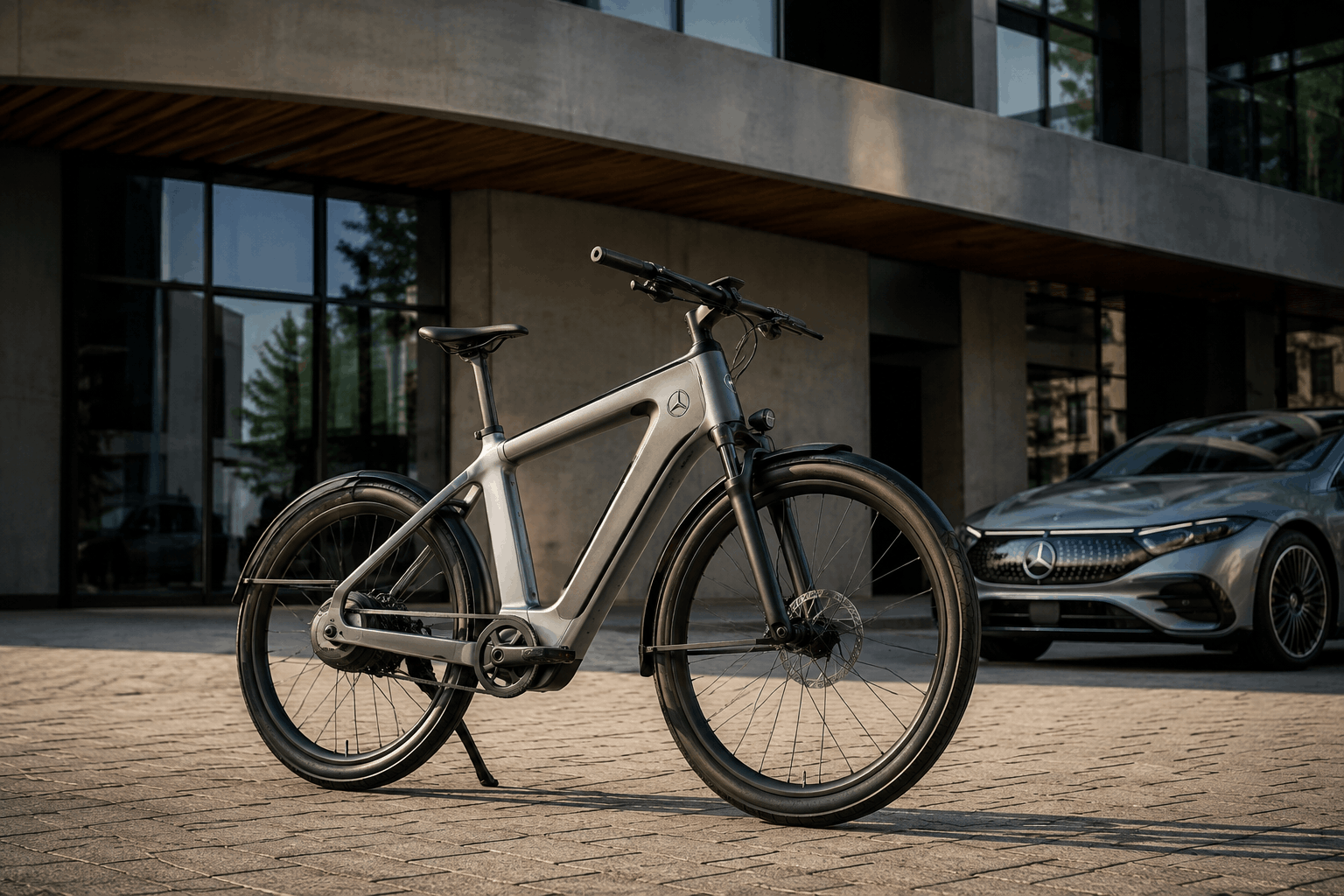
If you’ve searched for “ebike mercedes benz” hoping to find a bicycle engineered by Mercedes-Benz’s own R&D department, I have some news that might surprise you. There isn’t one. What exists instead is a licensed product line, built by a company called n+ Bikes under an official license from the Mercedes-AMG Petronas F1 team, and that distinction matters a lot once you start comparing prices and specs.
I’ll walk through what these bikes actually are, what they cost, how they ride based on independent testing, and whether they’re worth the money compared to other high-end electric bikes on the market.
The ebike mercedes benz Lineup Isn’t Made by Mercedes Engineers
This is the part that trips people up. The bikes carrying Mercedes branding are manufactured under license from the Mercedes-AMG Petronas F1 team, not designed from scratch by the automaker’s own vehicle engineers. n+ Bikes is the company actually building them, and the deal gives them the rights to use F1 team colors, logos, and styling cues.
That doesn’t automatically make the bikes bad. Licensing arrangements like this are common in cycling (McLaren has done something similar with Specialized in the past). But it does mean you’re paying partly for the badge and the racing-team aesthetic, not purely for Mercedes-Benz automotive engineering translated onto two wheels. Worth knowing before you drop several thousand dollars expecting something built in Stuttgart.
Current Models and Pricing
As of the current lineup on n+ Bikes’ official site, there are three electric models:
- City Edition 750, priced at $4,000
- Track Edition 750, priced at $5,500
- Rallye Edition 750, priced at $7,500 (the newest addition, built around a motorsport-inspired automatic gearbox)
There are also non-electric AMG road bikes in the range, which have historically run up toward $12,000 depending on spec. Prices shown exclude local taxes and duties, which get added at checkout once you select a shipping destination. Given how often pricing shifts on niche product lines like this, it’s worth checking the official listing before assuming these numbers are current.
Each bike ships roughly 95% pre-assembled, so setup mostly comes down to attaching the front wheel and straightening the handlebars. That’s a small but genuinely useful touch for anyone who’s dreaded unboxing a bike that arrives in forty loose pieces.
What’s Actually Under the Hood
Specs vary by model, but the general pattern across the range includes a mid-drive motor (750W on most current models), a carbon-fiber reinforced belt drive instead of a traditional chain, and dual battery setups on some trims for extended range. n+ advertises a range window of roughly 37 to 70 miles depending on configuration, which is a wide spread and depends heavily on terrain, rider weight, and how much you lean on pedal assist versus throttle.
In my experience, advertised e-bike ranges tend to run optimistic across the entire industry, not just here. Real-world range for most mid-drive electric bikes in this power class lands closer to the lower half of the manufacturer’s stated figure once you factor in hills, cold weather, or a heavier rider. I wouldn’t plan a 70-mile ride around a single charge without a backup plan.
The Track Edition, reviewed by Forbes, uses a mid-drive motor that the reviewer estimated delivers torque in the 80Nm range, enough to climb moderate grades without pedaling, though contributing pedal power noticeably boosts speed and reduces motor strain. On flat ground with no assist, that same reviewer clocked 13 to 18 mph on moderate effort, with Comfort mode pushing speeds close to 20 mph.
Class and Legal Speed Limits
One detail that matters more than most buyers realize: the Track Edition is technically a Class 2 e-bike with pedal assist and a throttle, but it can hit 28 mph in a “Race” mode, which pushes it into Class 3 territory. That distinction affects where you’re legally allowed to ride it. Some bike paths and trails restrict Class 3 e-bikes, so check your local regulations before assuming you can take a $5,500 bike anywhere a regular bicycle goes.
The Smart Helmet That Comes Included
A nice surprise buried in the package is a Mercedes-branded smart helmet, based on the Unit1 Faro design, which retails separately for around $400 but comes bundled with the bike. It includes crash detection and can trigger an emergency call with your location if you’re unresponsive after a fall. That’s a genuinely useful safety feature, and it’s not something most competing e-bike brands throw in for free.
The bikes also skip a kickstand entirely on some models, and there’s no frame provision to add one. If you want your bike to stand upright without leaning it against something, you’ll need the optional carbon-fiber display stand, which runs a few hundred dollars on its own. Small thing, but it’s exactly the kind of detail that catches people off guard after they’ve already spent thousands.
How It Stacks Up Against the Competition
This is where the ebike mercedes benz line gets a harder look. Enthusiast forums, including threads on Electric Bike Review, have pointed out that earlier n+ Mercedes models shared frame and motor architecture strikingly similar to the Luna Stealth, a bike that sold for roughly half the price at the time. Whether that’s still true of the current generation is harder to verify, but it’s a fair reason to go in with realistic expectations about what premium bike components actually cost versus what you’re paying for branding.
Compared to established performance e-bike makers like Trek, Specialized, or Riese & Müller, the Mercedes-badged bikes lean more heavily on styling and racing pedigree than on years of dedicated bicycle engineering. That’s not necessarily a dealbreaker if the design genuinely appeals to you. But if your priority is pure performance per dollar, you’ll likely find better value from brands that have spent decades building bicycles rather than automobiles.
For general background on how electric bikes work and how they’re classified, the Wikipedia entry on electric bicycles is a solid, neutral starting point if you’re new to the category.
Who Should Actually Buy One
If you’re a Formula One fan first and a cyclist second, the appeal here is obvious. These bikes give you something a standard commuter e-bike can’t: a direct tie to Mercedes-AMG Petronas racing heritage, hand-polished aluminum finishes, and a level of visual distinctiveness that turns heads at a coffee shop stop. For that buyer, the premium makes sense.
If you’re shopping purely on specs and cost-per-watt, you’ll probably get more bike for your money elsewhere. A $3,000 to $4,000 budget from a dedicated e-bike manufacturer can often buy comparable or better motor output, range, and component quality, just without the badge.
Where to Buy
These bikes are sold through n+ Bikes directly and through select Mercedes-Benz dealership partners in various regions. Be cautious of third-party sites using similar branding and names that aren’t affiliated with the official license holder. A quick check of the seller’s relationship to n+ Bikes or Mercedes-AMG Petronas before purchasing will save you a headache if something goes wrong with warranty support later.
FAQs
Does Mercedes-Benz actually design these e-bikes? No. They’re built by n+ Bikes under a licensing agreement with the Mercedes-AMG Petronas F1 team, which allows the use of team branding and design cues.
What’s the price range for current models? As of the latest listings, prices run from $4,000 for the City Edition up to $7,500 for the Rallye Edition, before taxes and duties.
How fast can they go? Most models cap around 20 mph in standard modes, though the Track Edition can reach 28 mph in a race-specific mode, which shifts its legal classification in some regions.
Is the smart helmet worth factoring into the price? It’s included with the bike and retails around $400 separately, so it does add real value if you were planning to buy a quality smart helmet anyway.
Are parts easy to service? The bikes use standard high-end components like Shimano, Tektro, and Gates belt systems, which most professional bike shops can service, though motor and electronics issues typically route through n+’s own support team rather than a local shop.
The badge on the down tube is real, the racing tie-in is real, and the build quality gets generally positive marks from the outlets that have actually ridden one. Just go in knowing you’re buying a licensed collaboration, not a Mercedes-Benz engineering project, and price it against that reality rather than against the automaker’s reputation for building cars.
Also Read: Leveraged Finance News Today: Private Credit’s Big Test