






Premium Sipping Rum: 7 Bottles Worth Your Money
If you want premium sipping rum that actually earns the price, start with Appleton Estate 12 for balance, El Dorado 15 for rich sweetness, and Foursquare for unsweetened purity. That’s the short version. But rum is the one brown spirit where the label tells you surprisingly little, so it pays to know what you’re really buying before you spend real money.
Below is a practical rundown of bottles that come up again and again in enthusiast circles and awards, plus a buying guide that covers the single biggest thing most lists skip: added sugar.
Quick Picks and Comparison
| Bottle | Origin | Style | Best for |
|---|---|---|---|
| Appleton Estate 12 | Jamaica | Pot and column blend, oaky, orange peel and spice | A balanced first premium rum |
| El Dorado 15 | Guyana | Demerara, thick, toffee and molasses | Sweet-toothed sippers |
| Mount Gay XO | Barbados | Refined, oak-driven, dried fruit | Whisky drinkers crossing over |
| Diplomático Reserva Exclusiva | Venezuela | Soft, sweet, vanilla and chocolate | Beginners who want easy |
| Foursquare (various releases) | Barbados | Precise, bourbon-cask, no added sugar | Purists and collectors |
| Hampden (various releases) | Jamaica | Funky, high-ester pot still | Adventurous drinkers |
| Appleton Estate 21 | Jamaica | Long-aged, polished, complex | A special-occasion pour |
Prices shift by region and retailer, so I’ve left numbers out. Check current pricing directly before buying.
What Makes a Rum “Premium” for Sipping
Age is the shortcut most people reach for, and it’s a decent starting point. Long tropical aging tends to add depth and softness. But age statements in rum are messier than in Scotch, since tropical heat speeds up maturation and different countries count age differently. A 12-year-old from the Caribbean can be as developed as an older bottle from a cooler climate.
What matters more is how the rum was made and finished. Pot still rums tend to be richer and funkier, while column still rums run lighter and cleaner. Master of Malt’s premium rum selection frames it the same way, pointing to tropical ageing, pot versus column production, and solera maturation as the real quality drivers rather than the price tag.
In my experience, the bottles that impress guests aren’t necessarily the priciest. They’re the ones where nothing tastes artificial, and that brings us to the elephant in the room.
The Added Sugar Question
Here’s what tends to surprise newcomers: plenty of aged rums are sweetened after distillation, and the amount usually isn’t printed on the label. One 2026 roundup from Boozemakers calls out this issue directly, noting that sugar dosing is common in aged rum and that it’s the biggest single factor in why a rum tastes the way it does.
Sweetened doesn’t mean bad. Plenty of people love the dessert-like richness of a dosed rum, and it makes for an easy sip. But if you want to taste the distillate and cask rather than a sugar layer, look for producers who state “no added sugar” on the bottle, like the Foursquare releases, or seek out rums bottled at higher strength, which tend to be less sweetened.
A useful rule: if a rum tastes like liquid caramel or vanilla syrup with barely any wood, spice, or fruit, sugar is probably doing a lot of the work.
Bottles Worth Knowing
Appleton Estate 12 Year Old
This is the safest recommendation for someone stepping up from mixing rum to sipping it. Appleton Estate is a Jamaican producer, and the 12-year-old shows the house style well: orange peel, brown sugar, vanilla, and baking spice with a touch of pot still funk underneath. It’s approachable, neat, and versatile enough for an Old Fashioned. If it hooks you, the Appleton Estate 21 is the natural step up, aged for a minimum of 21 years in tropical conditions per Master of Malt’s product notes, and it’s a more polished, contemplative pour.
El Dorado 15 Year Old
El Dorado is a Demerara rum from Guyana, and the 15-year-old is one of the most recommended sippers in rum communities. It pours thick, with molasses, toffee, dried fruit, and espresso notes. Fair warning: it’s sweet. Some drinkers love that dessert-like quality, while others find it too much. Buy it knowing it’s a rich, lush rum rather than a dry, austere one.
Mount Gay XO
A frequent pick for “best overall” among reviewers who prefer rums that don’t lean on sweetness. It’s refined, oak-forward, with dried fruit and gentle spice. If you already enjoy bourbon or Scotch, this is often the rum that clicks first.
Diplomático Reserva Exclusiva
Soft, sweet, and easy to like, with vanilla, chocolate, and orange notes. Enthusiasts often point to it as sweetened, and it’s routinely recommended as a beginner-friendly bottle. If you want smooth and approachable without much fuss, it delivers. If you’re chasing complexity and dryness, you’ll probably outgrow it.
Foursquare
Foursquare, from Barbados, is a favorite among collectors and purists. Master of Malt’s listing for one release stresses “no added sugar, no softening,” and that captures the appeal. The releases vary a lot by vintage, cask, and bottler, so read the label. Higher-proof versions are intense, and a few drops of water can open them up nicely.
Hampden
For the adventurous. Hampden is a Jamaican distillery known for high-ester, funky pot still rum, and its bottlings tend to be bold. Recommended often in enthusiast forums as a step into more serious territory. If you dislike strong, almost solvent-like aromas, skip it. If you love them, it’s a revelation.
How to Choose Your Bottle
Start with how you drink. If you mostly enjoy sweeter spirits, go for El Dorado or Diplomático. If you prefer drier, oak-driven profiles similar to whisky, Mount Gay XO or a Foursquare release makes more sense.
Then consider strength. Standard 40% bottles are smooth and easy, while cask-strength releases are richer and more layered but need water or a bit of patience.
Finally, check the label for transparency. Producers who share details on aging, still type, and additives are usually proud of what’s in the bottle. Vague marketing language and fancy packaging with little actual information is a mild red flag.
Common Mistakes
Buying the oldest bottle you can afford is the classic one. A great 12-year-old beats a mediocre 21-year-old. Another is treating “smooth” as a synonym for “good.” Smoothness is often achieved with sugar, and a bit of bite is fine in a quality spirit.
Skipping a tasting is a third. If you can try a pour at a bar or buy a sample size first, do it. Rum styles vary far more than most people expect.
Serving Tips
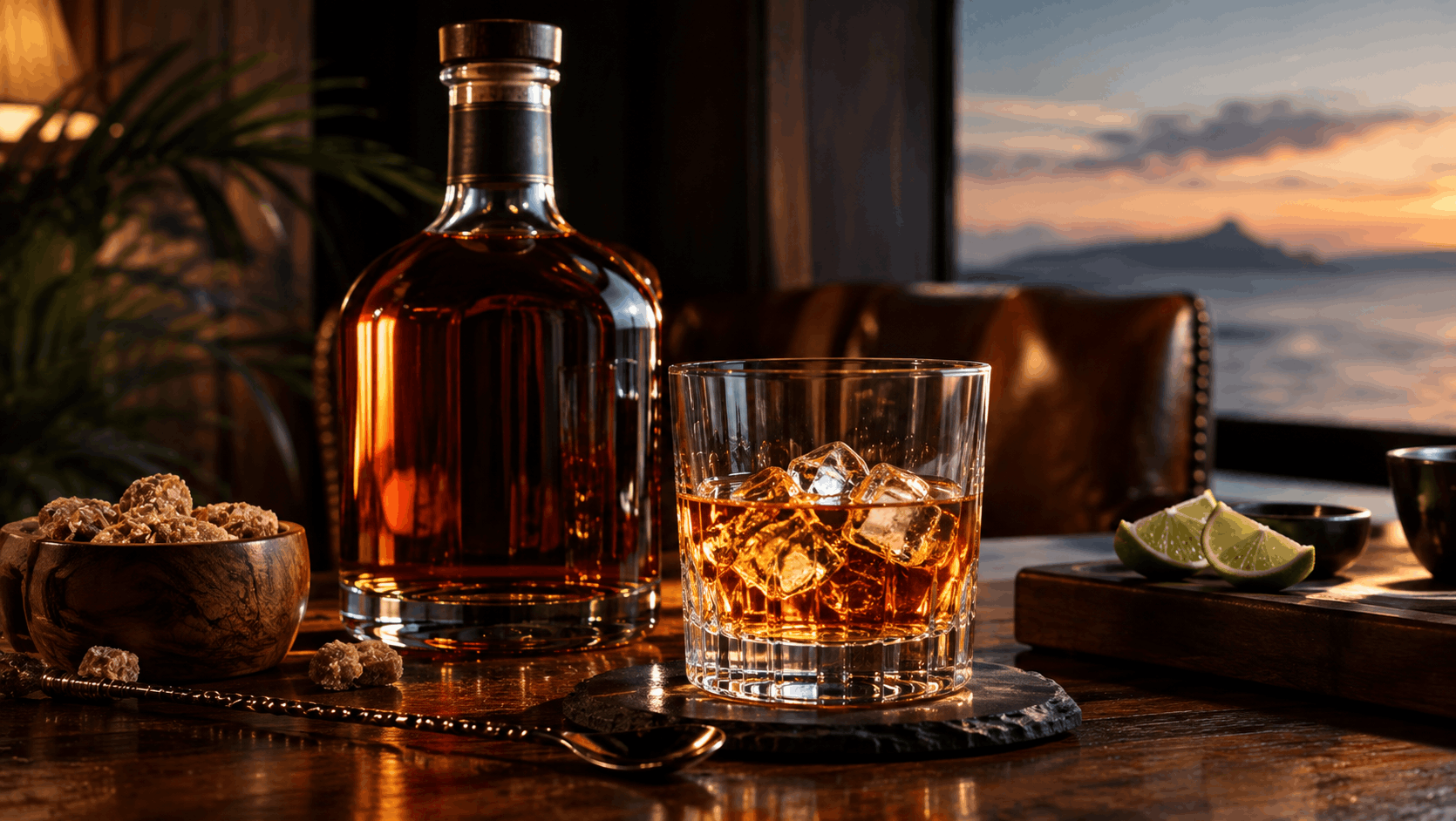
Use a small tulip glass or a Glencairn if you have one, since the narrower opening concentrates aroma. Pour a modest measure, smell first, and sip slowly. A large ice cube works if you prefer it cold, but it will mute some aroma. For higher-proof bottles, add a few drops of water and see what opens up.


