







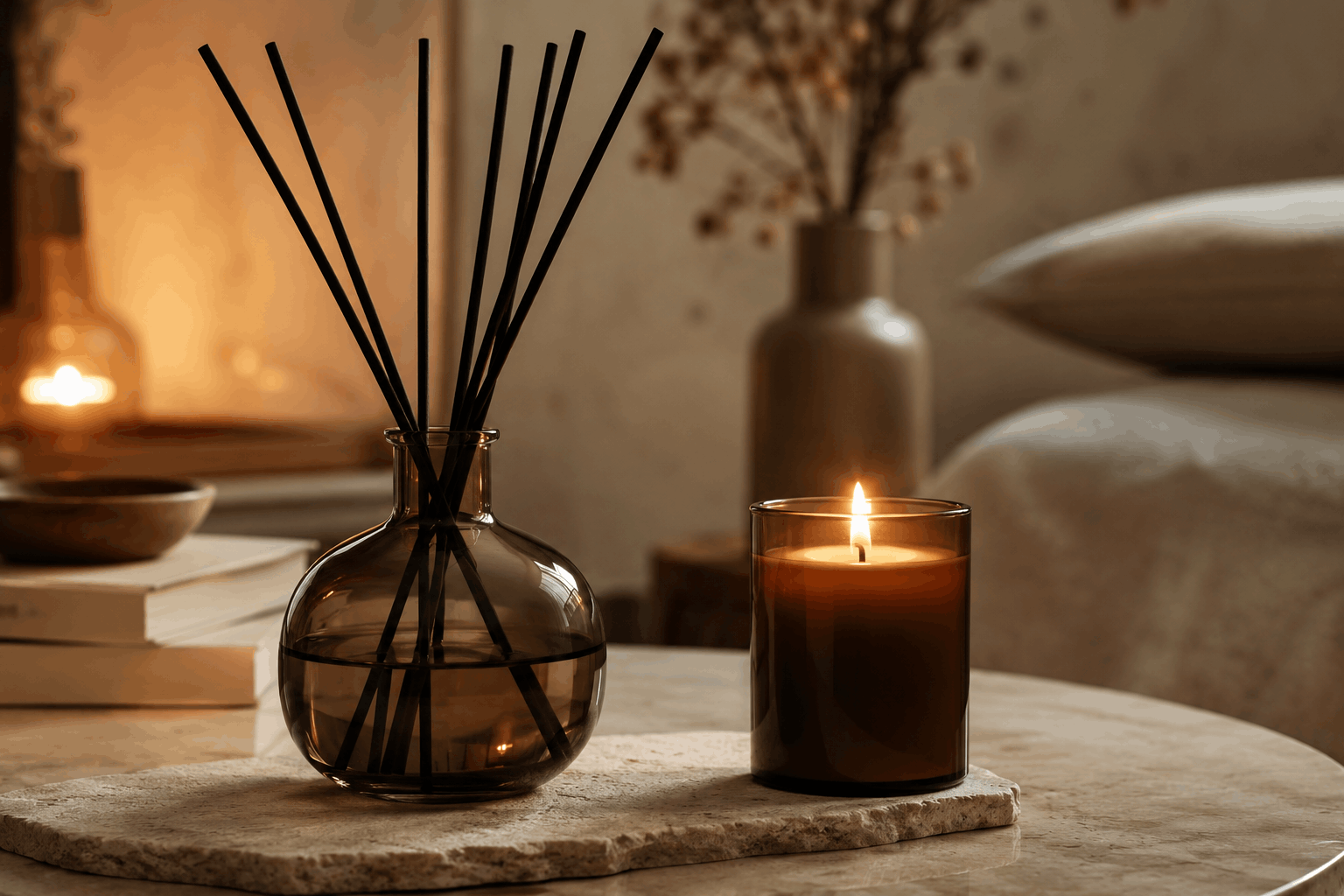
Aura Candles: A Real Buyer’s Guide Before You Order
If you’ve been scrolling home decor accounts lately, you’ve probably noticed aura candles showing up everywhere, usually next to a chunky ceramic vase and a stack of linen napkins. They’re marketed as more than a scented candle. The pitch is that they set a mood, shape a room’s energy, and do it with a look that photographs well. That’s a lot of promise for a jar of wax, so let’s get into what’s actually true here.
What “Aura Candles” Actually Means
There isn’t one single manufacturer that owns the term. Aura candles is more of a category label used by a handful of home fragrance brands and independent sellers on Etsy and small-batch candle sites. The common thread is a focus on mood-based scent blends (calm, focus, grounding, that sort of language) often paired with crystals embedded in the wax or dropped on top.
Underneath the branding, most of these are standard soy or coconut wax candles with fragrance oil and a cotton or wood wick. The wax type matters more than the marketing language does. Soy and coconut wax blends tend to burn cleaner and slower than paraffin, which is one reason so many of these smaller brands lean on them.
In my experience, the “aura” framing is mostly a positioning choice rather than a distinct product technology. That’s not a knock on the candles themselves. It’s just useful to know before you pay a premium for the label.
Pricing: What You’re Actually Paying For
As of mid 2026, aura candles from independent and boutique sellers generally run somewhere between $18 and $45 for a standard 8 to 10 ounce jar. Larger or multi-wick versions, especially ones with embedded crystals or hand-poured detailing, can climb toward $60 to $70. Bigger names in the wellness-adjacent candle space price similarly to their regular scented lines, so the “aura” version usually isn’t a huge markup over a brand’s standard candle. Because pricing shifts often and varies a lot by seller, it’s worth checking the specific brand’s site for current numbers before you buy.
What tends to surprise people is how much of that price is packaging and branding rather than the wax or fragrance oil itself. That’s true across most of the candle market, not just this niche, so it isn’t really a red flag specific to aura candles.
Pros
- Wax quality is often genuinely good, since many small candle makers use soy or coconut blends that burn cleaner than cheap paraffin.
- Scent blends are usually built around a specific feeling (sleep, focus, warmth), which makes picking one easier than sorting through a hundred generic “vanilla” options.
- They photograph well and work as a gift, especially with crystal toppers or labeled affirmations.
- Many small-batch sellers hand-pour in low volumes, so you’re often supporting an independent business rather than a mass factory line.
Cons
- The mood or energy claims aren’t backed by anything beyond scent psychology, which is real but modest. A lavender-scented candle can help you relax the way a warm bath or dim lighting can. It isn’t shifting your “aura” in any measurable sense.
- Crystals embedded directly in wax are a genuine fire safety consideration. Most candle safety guidance, including from the National Candle Association, recommends keeping the wax pool free of anything that isn’t wick or wax as it burns.
- Scent throw (how far the fragrance travels) varies wildly between sellers. A candle that smells amazing unlit can be disappointing once burning.
- Burn time on smaller jars is often shorter than people expect, sometimes 25 to 35 hours for an 8 ounce candle.
Aura Candles vs. Modern Reed Diffusers
This is where a lot of buyers get stuck, and it’s a fair question. A reed diffuser uses porous reeds sitting in a bottle of scented oil to slowly pull fragrance into the air, no flame required. Modern reed diffusers have gotten a real design upgrade in the past few years, with sculptural glass bottles and thicker reeds that throw scent more efficiently than the thin rattan sticks from a decade ago.
Here’s how they actually compare in daily use:
| Aura Candles | Modern Reed Diffusers | |
|---|---|---|
| Scent strength | Strong while lit, fades when out | Steady, low-level, constant |
| Safety | Open flame, needs supervision | No flame, safer around kids and pets |
| Lifespan | 25 to 45 hours of burn time | 6 to 10 weeks per bottle typically |
| Ambiance | Adds warm light and visual focus | No light, purely olfactory |
| Cost per week of use | Often higher | Usually lower over time |
| Maintenance | Trim wick, watch while burning | Flip reeds every few days |
If you want a room that has a quiet, consistent scent running in the background without thinking about it, a reed diffuser wins on convenience. If you want the ritual of lighting something and the warm glow that comes with it, the candle wins on atmosphere. A lot of people I’d point toward this category end up buying one of each and putting them in different rooms, which honestly solves the debate better than picking a single winner.
Who Should Buy Aura Candles
If you like the ritual of lighting a candle at the end of the day and you’re already drawn to mood-based scents like sandalwood, palo santo, or fig, this category fits naturally. They also make a solid gift for someone who’s into home wellness trends but doesn’t need anything clinical or medical about it. And if you rent and can’t do anything permanent to a space, a well-chosen candle changes the feel of a room fast.
Who Should Skip Them
If you have small kids, curious pets, or you tend to fall asleep with things burning, skip the open flame entirely and go with a reed diffuser or a plug-in diffuser instead. People with fragrance sensitivities or asthma should also be cautious. Burning candles releases some particulates regardless of wax type, and if scent sensitivity is already an issue, an unscented option or a flameless diffuser is the safer call. If you’re mainly chasing the “aura” or energy-shifting claims as something literal rather than as mood-setting, it’s worth resetting expectations before you spend the money.
A Few Buying Tips Before You Order
Check the wick material first. Cotton and wood wicks both work fine, but wood wicks give that crackling sound people love, while cotton wicks tend to burn a touch more evenly. One thing worth flagging is jar size versus advertised burn time. A lot of listings round up burn hours, so read reviews from actual buyers rather than trusting the product description alone.
Smell test reviews matter more than star ratings here. Fragrance is subjective, and a 5-star review from someone who loves gourmand scents won’t tell you much if you’re after something more herbal or woody. Sites like Good Housekeeping periodically test and rank candles for scent throw and burn quality, which is a decent gut check before buying from a smaller, less-reviewed seller.
FAQs
Do aura candles actually change your energy or mood? Not literally. What they do is use scent, which is genuinely tied to mood through aromatherapy principles, meaning certain scents can help you relax or feel more alert. The “aura” language is branding on top of that real but modest effect.
Are the crystals in aura candles safe to burn with? Most safety guidance recommends removing any embedded crystals or objects before lighting, or at minimum keeping a close eye on the candle so nothing sits in the melted wax pool near the flame.
How long do aura candles typically last? Most 8 to 10 ounce jars burn for somewhere between 25 and 45 hours, depending on wax quality and how long each burn session runs.
Is a reed diffuser cheaper in the long run than a candle? Usually, yes. A diffuser bottle can last 6 to 10 weeks with no ongoing cost beyond the initial purchase, while a candle needs replacing every few weeks depending on how often it’s burned.
Do I need to buy from a specific brand to get a real aura candle? No. Since it isn’t a trademarked or regulated term, plenty of independent sellers and larger brands both make candles marketed this way. Focus on wax quality, scent throw, and reviews rather than the label itself.