






Best Ski Mittens for Warm Hands on the Coldest Runs
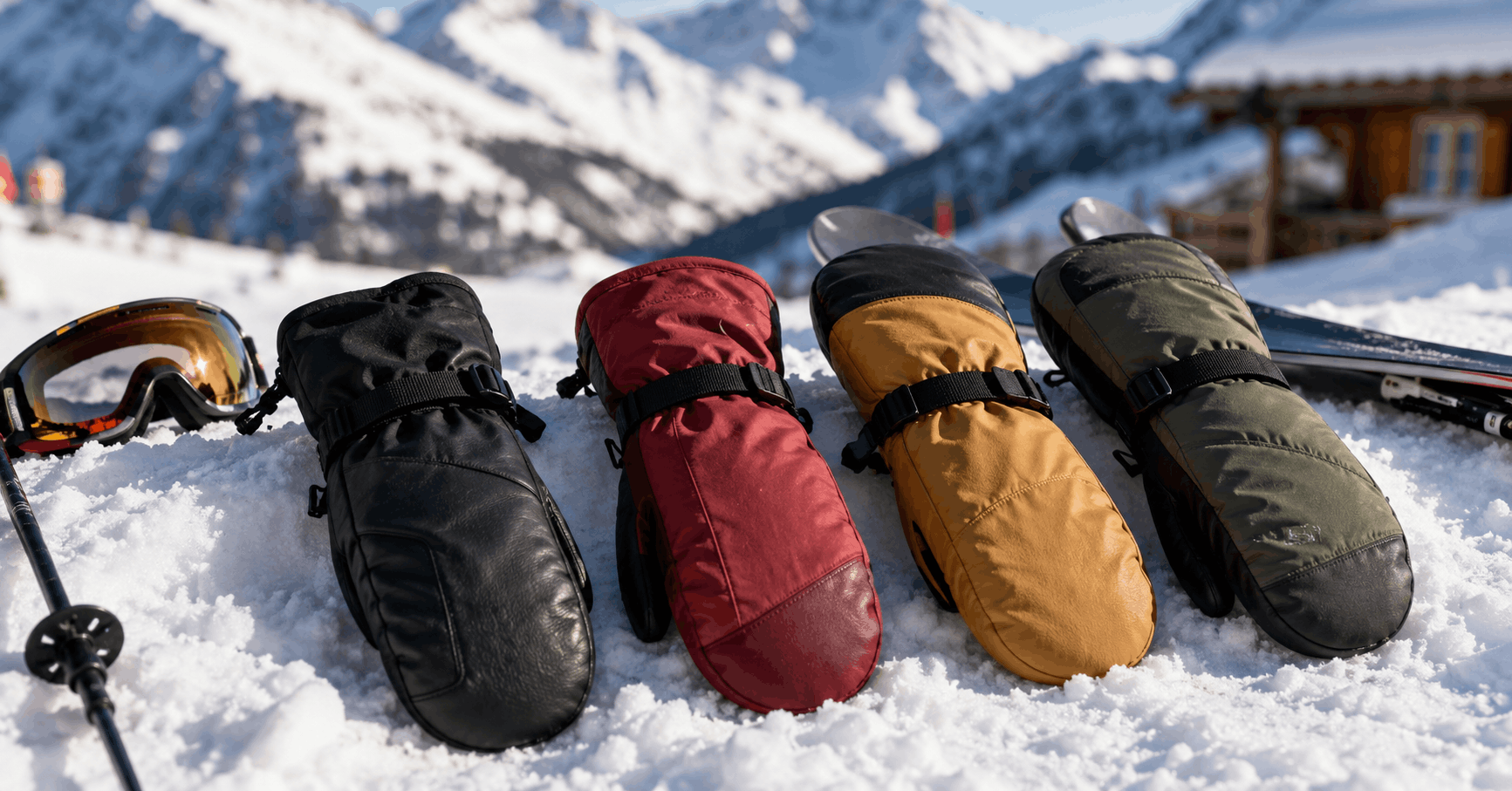
If your fingers go numb by the second chairlift ride, you’re probably wearing gloves when you should be wearing mittens. Finding the best ski mittens comes down to one simple trade-off: you give up a bit of finger dexterity in exchange for a noticeable jump in warmth, because your fingers share body heat instead of losing it individually inside separate glove fingers. For anyone who skis in genuinely cold conditions, that trade-off is usually worth it.
I’ve spent enough time on cold lift lines to know that glove shopping gets confusing fast. Brands throw around terms like “waterproof breathable membrane” and “PrimaLoft insulation” without explaining what actually matters for a day on the hill. So let’s cut through that and talk about what actually works.
Quick Verdict
For most skiers, the Black Diamond Mercury Mitt is the safest all-around pick. It balances warmth, durability, and a removable liner system that most people find genuinely useful rather than gimmicky. If you want something warmer for genuinely brutal days, Hestra’s leather mitts are hard to beat. And if budget is tight, a solid insulated mitten from a mainstream ski brand will still outperform a cheap glove.
Comparison at a Glance
| Mitten | Best For | Warmth Level | Dexterity | Approx. Price Range |
|---|---|---|---|---|
| Black Diamond Mercury Mitt | All-around cold weather skiing | High | Moderate | $100–$160 |
| Hestra Army Leather Heli Ski | Extreme cold, backcountry | Very High | Low-Moderate | $150–$220 |
| Outdoor Research Alti Mitts | Mountaineering-grade warmth | Very High | Low | $180–$250 |
| Burton GORE-TEX Under Mitt | Resort skiing, wet climates | Moderate-High | Moderate | $60–$100 |
| The North Face Montana Pro GTX Mitt | Versatile daily resort use | High | Moderate | $90–$150 |
Prices shift by season and retailer, so treat these as ballpark figures and check the official product pages for current numbers rather than relying on any list, including this one.
Black Diamond Mercury Mitt
This is the mitten I recommend most often when someone asks me where to start. It uses a removable liner, so you get two layers of insulation working together rather than one thick chunk of fill. That matters more than people expect: on a mild bluebird day, you can ski with just the shell and liner combo loosened up a bit, and on a genuinely frigid morning, you zip everything up tight.
The outer shell handles wind and moisture well, and the leather palm gives you enough grip to hold poles without constantly readjusting your hand position. Where it falls short is dexterity. Buckling boots or digging through a jacket pocket with these on is clumsy, so most people pull them off for anything fiddly.
Best for: skiers who want one mitten that handles most conditions without needing a backup pair.
Hestra Army Leather Heli Ski
Hestra has been making leather gloves and mittens in Sweden for generations, and it shows. The Hestra Army Leather Heli Ski mitten uses a full leather shell, which takes longer to break in than synthetic materials but rewards you with better wind resistance and a more natural fit over time. In my experience, leather mittens like this one tend to feel stiff for the first few outings and then mold to your hand shape in a way synthetic shells rarely do.
This isn’t the mitten for someone who wants convenience out of the box. Leather needs occasional conditioning to stay water-resistant, and it’s pricier than most alternatives. But for skiers who spend real time in subzero temperatures, whether that’s dawn patrol laps or a windy ridge line, this is one of the warmest options you’ll find without going into full mountaineering gear.
Best for: cold-climate skiers who don’t mind maintenance in exchange for serious warmth.
Outdoor Research Alti Mitts
These come from the mountaineering world rather than the ski world specifically, which tells you something about their intended use. Outdoor Research built the Alti Mitts for high-altitude climbing, and skiers who deal with extreme cold, think backcountry touring at altitude or lift-served resorts known for brutal wind chill, have adopted them for good reason.
The insulation here is genuinely excessive for a normal resort day. That’s not a knock, it’s just context. If you’re skiing somewhere like Jackson Hole or a similarly exposed resort in January, these make sense. If you’re skiing groomers in the Northeast on a 25-degree day, you’ll overheat and end up peeling them off by lunch. One thing worth flagging is that the bulk makes zipper pulls and pole straps genuinely difficult, so pair these with mittens you can quickly swap for something lighter if conditions shift.
Best for: extreme cold, high altitude, or anyone who runs cold no matter what they wear.
Burton GORE-TEX Under Mitt
Not everyone needs mountaineering-level warmth, and Burton’s take on the ski mitten reflects that. It uses a GORE-TEX membrane for waterproofing and breathability, which matters a lot if you ski in wetter, milder climates like the Pacific Northwest or parts of the Alps where snow tends to be heavier and wetter rather than dry powder.
What surprised me looking into this one is how much value it offers relative to the premium mitts above. It’s not going to compete with the Hestra or Outdoor Research options in raw warmth, but for resort skiing in moderate cold, it holds up fine and costs noticeably less. The fit runs a bit looser than some competitors, which some skiers like for layering a liner glove underneath and others find sloppy for grip.
Best for: budget-conscious skiers in wetter, milder ski climates.
The North Face Montana Pro GTX Mitt
This one sits in a comfortable middle ground. It’s warmer than the Burton option, more affordable than the Hestra or Outdoor Research picks, and reasonably versatile across different conditions. The North Face has refined this mitten over several seasons, and the current version handles both dry cold and wetter snow reasonably well thanks to its waterproof shell.
Where it separates itself is fit consistency. Sizing across ski mittens varies wildly between brands, and I’ve noticed The North Face tends to run closer to true-to-size than some competitors, which sounds minor until you’ve ordered three different mitten brands trying to find one that doesn’t leave a gap at the wrist.
Best for: skiers who want solid performance without paying premium prices or sacrificing much warmth.
What Actually Makes a Mitten Warm
Insulation type matters, but not as much as people assume. Down insulation is lighter and warmer per ounce, but it loses effectiveness when wet, and mittens get wet from snow contact constantly. Synthetic insulation like PrimaLoft holds up better in damp conditions, which is why most ski-specific mittens lean synthetic rather than down.
Shell material matters just as much. A breathable waterproof membrane keeps moisture from your own hand sweat from soaking the insulation from the inside, which is a bigger problem than people realize. Mittens that trap sweat end up colder by the afternoon than ones that vent it out, even if the outer shell is technically warmer on paper.
Fit affects warmth more than most buying guides mention. A mitten that’s too loose creates dead air space your hand has to work to heat, and one that’s too tight restricts blood flow, which actually makes your fingers colder. Somewhere in between, snug but not compressive, is the target.
Common Mistakes When Buying Ski Mittens
People often buy based on insulation rating alone and ignore shell quality, which leads to a warm mitten that soaks through after two runs in wet snow. Others size up thinking extra room means extra warmth, when in reality that extra air gap can make hands colder, not warmer.
Another mistake is skipping the liner check. Removable liners aren’t just a nice-to-have, they let you dry out the inner layer overnight, wash it periodically, and swap in a thinner liner on warmer days. A mitten without one is stuck being one temperature range, permanently.
Buying Guide: Matching Mittens to Your Skiing
If you ski mostly groomers in moderate cold, a mid-tier mitten like the Burton or North Face option is plenty. If you’re chasing powder in genuinely harsh conditions, whether that’s high altitude, extreme wind, or long backcountry days, spend the extra money on the Hestra or Outdoor Research picks. And if you’re not sure which category you fall into, the Black Diamond Mercury Mitt is the safest middle-ground bet, since its removable liner system adapts to a wider temperature range than most single-layer mittens can.
Circulation matters too. Skiers who already run cold, due to poor circulation or past cold exposure, benefit more from mittens than gloves in almost every scenario, since the shared warmth across fingers makes a measurable difference. According to the Wikipedia article on mittens, this warmth advantage is a well-documented reason mittens have remained the go-to choice for extreme cold weather activities over centuries, long before ski resorts existed.
FAQs
Are mittens actually warmer than gloves? Yes, generally. Fingers generate more shared warmth when they’re together rather than separated into individual glove fingers, which is basic thermodynamics rather than marketing.
Do I need a liner glove under ski mittens? Not always, but it helps on the coldest days or if you need brief dexterity for something like adjusting bindings, since you can pull the mitten off without exposing bare skin.
How do I know if a mitten is too small? If your fingertips touch the mitten’s inner shell tightly with no wiggle room, it’s too small. That contact point transfers cold faster and restricts the air gap that actually holds warmth.
Can I use ski mittens for snowboarding? Yes, most of the mittens on this list work fine for snowboarding too, since the warmth and waterproofing needs are nearly identical between the two sports.
How often should I replace ski mittens? Well-made mittens from brands like Hestra or Black Diamond often last five or more seasons with basic care, though the waterproof coating on synthetic shells does wear down faster if you ski frequently in wet conditions.
For most skiers, picking between these options comes down to how cold you actually run and how much you’re willing to spend for extra warmth margin. A mid-range mitten will handle the vast majority of resort days just fine, and there’s no real reason to overspend on mountaineering-grade gear if you’re not skiing in conditions that call for it.