



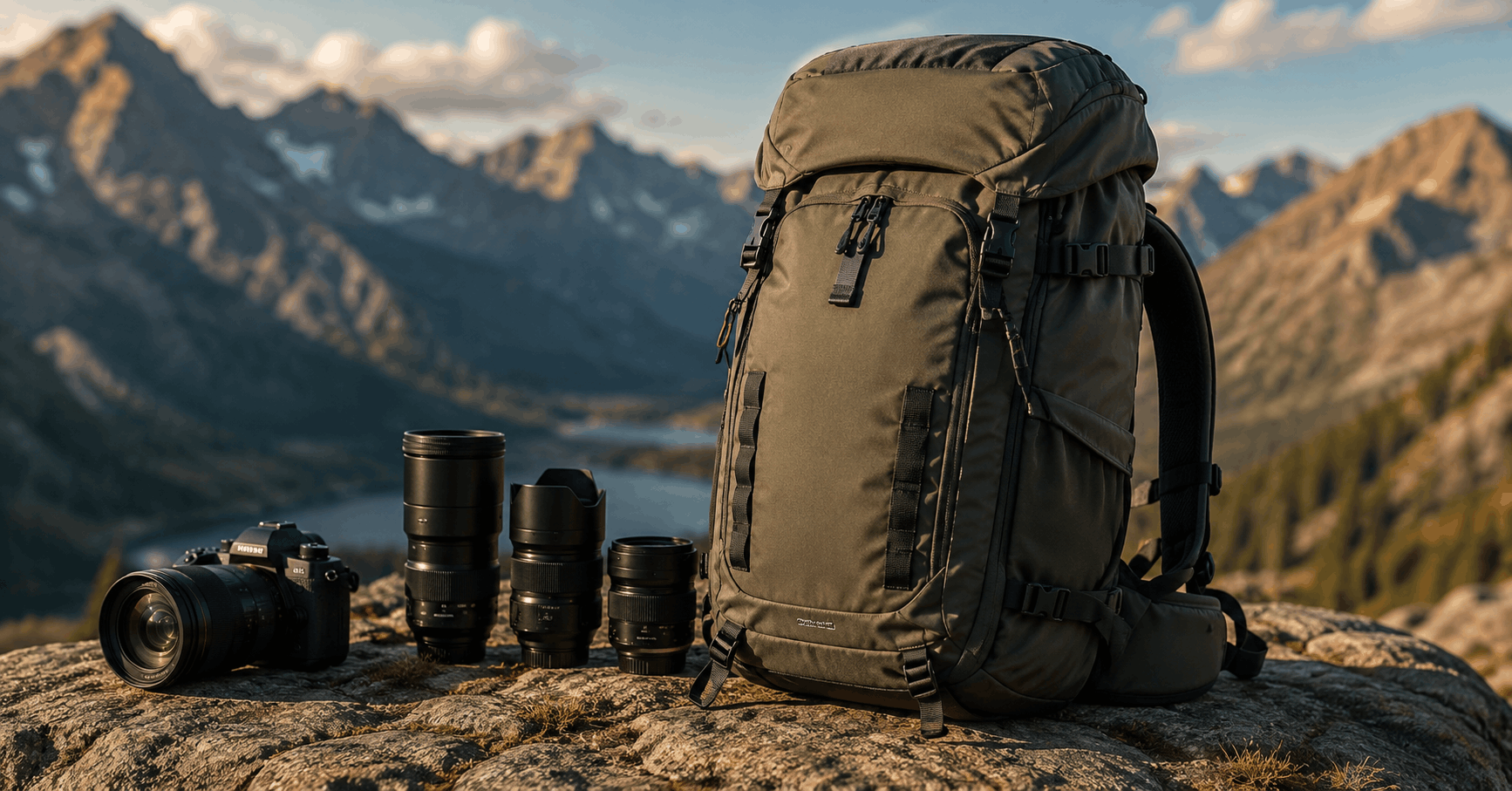
Best Camera Bag for Hiking: 2026 Buyer’s Guide and Top Picks
If you’ve ever hauled a camera up a mountain in a bag that wasn’t built for it, you already know the problem. Straps dig in, gear rattles around, and by mile four your shoulders are begging you to turn back. Finding the best camera bag for hiking isn’t about picking the flashiest option online. It’s about matching the bag to how you actually move outdoors.
I’ve spent enough time around outdoor photographers and gear forums to know the complaints repeat themselves: bags that look great in a studio photo but fall apart on uneven terrain, or ones so padded for camera gear that there’s no room left for water, a jacket, or snacks. This guide walks through what actually matters, then breaks down five bags that consistently earn praise from people who hike with cameras regularly.
What Actually Makes a Camera Bag Good for Hiking
A camera bag for hiking has to do two jobs at once. It needs to protect fragile equipment, and it needs to work like a real hiking pack, meaning it distributes weight properly and doesn’t fight you on the trail.
Weight distribution matters more than most buyers expect. A bag that dumps all its weight onto your shoulders will wear you down fast, even if it’s technically comfortable when you first put it on. Look for a padded hip belt and a supportive frame if you’re doing anything longer than a short walk.
Access matters too. Side access or back-panel access lets you grab your camera without taking the whole pack off, which sounds minor until you’re trying to catch a fast-moving animal or fleeting light. In my experience, hikers who skip this feature end up missing shots simply because digging through a top-loading bag takes too long.
Weather resistance is non-negotiable if you hike anywhere unpredictable. A water-resistant shell or an included rain cover protects gear that often costs more than the bag itself. And ventilation on the back panel makes a real difference on long, sweaty climbs, something a lot of camera-first brands still underestimate.
Best Camera Bag for Hiking: Quick Verdict
If you want the short answer: the Peak Design Travel Backpack is the best all-rounder for most hikers who shoot photos, thanks to its flexible internal layout and comfortable carry. For serious backcountry trips where comfort over long distances matters most, the Shimoda Explore v2 pulls ahead because of its suspension system. Budget-conscious hikers do well with Lowepro’s trail-focused packs.
Comparison Table
| Bag | Best For | Capacity | Camera Access | Approx. Price |
|---|---|---|---|---|
| Peak Design Travel Backpack | Versatility, day trips | 45L | Front + side | $300 |
| Shimoda Explore v2 | Long-distance backcountry hikes | 30-60L | Back panel | $250-$330 |
| f-stop Sukha | Modular gear setups | 70L | Rear access | $350+ |
| Lowepro Photo Sport Pro | Budget hikers, day hikes | 15-24L | Side access | $150-$200 |
| MindShift BackLight | Fast trail access | 18-36L | Rotating belt pack | $200-$260 |
Prices shift often, so check each brand’s site for current numbers as of mid-2026.
Peak Design Travel Backpack
This one earns its reputation because it doesn’t force you to choose between a camera bag and a travel pack. The internal camera cube is removable, so on days you’re not shooting much, the bag just works as a regular hiking daypack.
What tends to surprise people is how much the compression straps change the bag’s shape and volume. You can cinch it down for a short hike or expand it for a multi-day trip, which is rare in this price range. The shoulder straps are well-padded, though the hip belt is minimal, so this isn’t the pick for anyone carrying 20+ pounds over rough terrain for hours.
Pros: flexible layout, great build quality, doubles as a travel bag Cons: hip support is light for serious backcountry loads Best for: day hikers and travelers who want one bag that does everything reasonably well
Shimoda Explore v2
Shimoda built this brand specifically around outdoor photographers, and it shows. The suspension system is closer to what you’d find on a proper hiking pack than anything camera-brand competitors offer, with a real hip belt that actually transfers weight off your shoulders.
One thing worth flagging is that the camera compartment is a separate insert you buy alongside the shell, which adds cost but also means you can size the internal space exactly to your gear. Hikers doing multi-day backcountry trips consistently mention how much less fatigued they feel by the end of a long day compared to camera-first brands.
Pros: excellent weight distribution, durable materials, modular internal setup Cons: higher total cost once you add the camera insert Best for: serious backcountry hikers carrying heavier gear over long distances
f-stop Sukha
f-stop has been a favorite among adventure photographers for years, and the Sukha carries that legacy forward with a large capacity built for multi-day trips. The rear-access camera compartment keeps your gear protected while letting you load hiking essentials, like a sleeping bag or extra layers, in the main compartment.
This bag runs large, so it’s overkill for a casual day hike. But for anyone combining backpacking with serious photography, the extra room and rugged build justify the size. The f-stop modular ICU system also means you can swap camera inserts between bags if you own more than one of their packs.
Pros: huge capacity, rugged materials, flexible ICU system Cons: too bulky for short or casual hikes Best for: multi-day backcountry trips where you’re camping and shooting
Best Camera Bag for Hiking: Lowepro Photo Sport Pro
Not everyone needs a premium setup, and Lowepro has quietly built a solid reputation for practical, affordable trail bags. The Photo Sport Pro line focuses on smaller capacities suited to day hikes rather than expeditions, with side access that lets you grab your camera without breaking stride.
It won’t feel as premium as Peak Design or Shimoda, and the padding is noticeably thinner. But for someone starting out or hiking shorter trails a few times a month, it’s a sensible option that won’t break the budget. Lowepro has been in the camera bag business long enough that fit and durability are rarely an issue at this price point.
Pros: affordable, lightweight, good side access Cons: less padding, smaller capacity ceiling Best for: casual hikers and beginners who don’t need expedition-level capacity
Best Camera Bag for Hiking: MindShift BackLight
The BackLight series solves a specific problem: getting to your camera fast without stopping to take the pack off. It rotates a belt pack around to your front, letting you access gear mid-stride, which matters a lot for wildlife or fast-changing light.
In my experience, bags built around this kind of rotating access tend to be less comfortable for pure load-carrying compared to a traditional frame pack, and the BackLight is no exception. It’s brilliant for quick access, less ideal if you’re hauling heavy loads over technical terrain all day.
Pros: fast camera access, comfortable for shorter hikes, well organized Cons: not the best choice for heavy multi-day loads Best for: hikers who prioritize speed of access over raw carrying capacity
Buying Guide: Matching the Bag to Your Hiking Style
Day hikers who shoot casually should lean toward smaller, lighter bags like the Lowepro Photo Sport Pro. There’s no reason to carry a 60-liter pack for a two-hour trail.
Backcountry and multi-day hikers need real suspension systems, meaning a proper hip belt and frame, not just padded straps. The Shimoda Explore v2 and f-stop Sukha both fit this category well.
Travelers who also hike occasionally get the most value from something like the Peak Design Travel Backpack, since it flexes between roles instead of being a single-purpose bag.
Wildlife and action photographers benefit most from quick-access designs like the MindShift BackLight, where speed matters more than maximum capacity.
One mistake I see often: buying based on capacity alone. A bigger bag isn’t automatically better if it means carrying more weight than you need for the trip you’re actually doing.
Best Camera Bag for Hiking: FAQs
Do I need a dedicated camera bag for hiking, or can I use a regular hiking backpack with an insert? A padded camera cube insert inside a normal hiking pack works fine for casual hikers. Dedicated camera hiking bags become worth it once you’re carrying multiple lenses or bodies regularly.
How much should I expect to spend? Budget options start around $150, while premium expedition-ready bags can run $300-$400 once you add camera inserts. Check the REI outdoor gear guides for seasonal pricing and reviews if you’re comparing options before buying.
Is weather resistance really necessary? If you hike anywhere with unpredictable weather, yes. A soaked camera body is a far more expensive problem than a slightly heavier, weather-resistant bag.
Can I use these bags for airline travel too? The Peak Design Travel Backpack is specifically designed for this dual purpose. Most other bags on this list are built more for trail use than airline carry-on optimization.
What capacity do I actually need? For day hikes, 15-25L is usually plenty. Multi-day trips typically need 40L or more once you factor in camping gear alongside camera equipment.
Choosing the best camera bag for hiking really comes down to being honest about what kind of hiking you actually do, not the trips you imagine taking someday. Match the bag to your real trail habits, and comfort follows naturally from there.
Also Read: Best Music Streamer in 2026: Which Service Actually Wins?
