
High Rocking: The base word is simple. To rock, according to Merriam-Webster’s definition, is to move back and forth, as in a cradle, and in casual speech it also means to perform in an exciting, powerful way or to wear something with confidence. Add “high,” and you get a handful of plausible readings.
The most practical reading is a rocking chair with a tall back. Another is high-energy rocking, the kind of loud, driving performance you’d describe about a band. A third is vigorous rocking motion, like swaying a child or using a rocker to soothe yourself. And sometimes it’s just a mangled or partial version of a brand or product name.
I’d rather be upfront than invent a definition. If you were looking for a specific brand, event, or product called “High Rocking,” check the exact spelling and the seller’s own site, because I couldn’t find a single established meaning behind it.
High Rocking Chairs: What to Look For
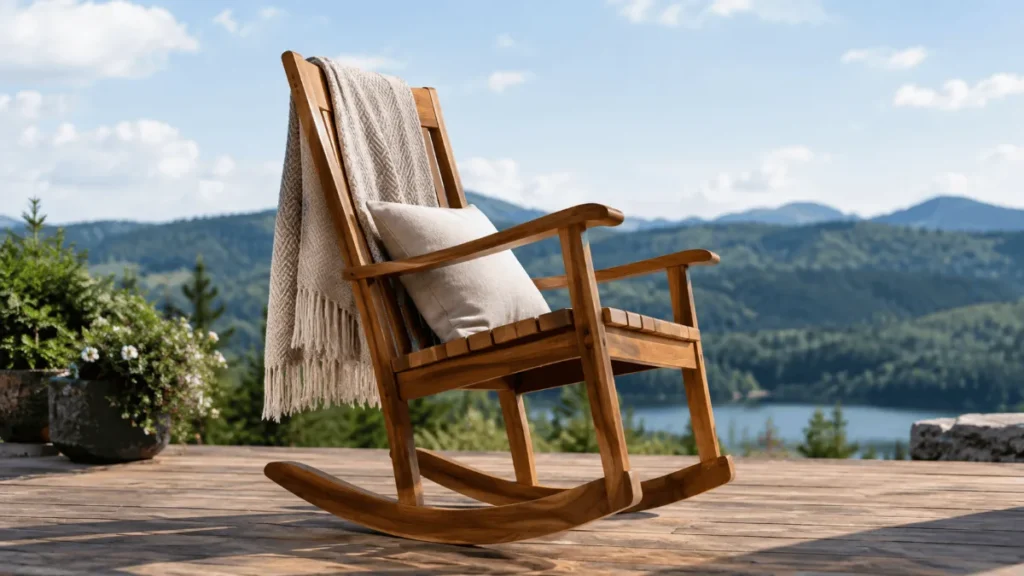
A high-back rocking chair is built with a taller backrest than a standard rocker, often tall enough to support the shoulders and neck or even the head. It’s a popular choice for nurseries, porches, and reading corners, and for taller people who find ordinary rockers cut off at the shoulder blades.
The rocking chair has been around for a couple of centuries, and the basic design hasn’t changed much: two curved runners under the legs let the chair tilt forward and back. What changes is the build quality and how it fits your body.
Start with back height. If you’re tall, measure from the seat to your shoulder or head, and compare with the listed dimensions. A back that stops at your lower ribs defeats the purpose.
Check seat depth and height too. You want your feet to rest flat on the floor and your knees to bend comfortably. A seat that’s too deep leaves your legs dangling or forces you to slouch, and that gets old quickly.
Materials and Build Quality
Solid hardwood frames, such as oak, maple, walnut or birch, tend to last longest. They hold joints better and handle decades of rocking without loosening. Softer woods like pine are cheaper and fine for light use, though they dent more easily.
Look at the joinery. Dowels and mortise-and-tenon joints beat staples and glue alone. Give the chair a shake in a store or read customer reviews that mention wobbling after a few months.
Upholstery is another trade-off. Padded seats and backs feel better for long sittings but need cleaning, while bare wood or woven seats breathe well and wipe clean. If it’s going in a nursery, I’d lean toward washable fabric or a cover you can remove.
In my experience, the most common regret with rockers is buying on looks and discovering the back is too short or the cushions flatten within a year. Reading a few reviews with photos of the real chair helps.
Rocker, Glider or Platform: Which Motion Do You Want?
Traditional rockers use curved runners on the floor. They move in an arc, they can travel across the floor over time, and they need more clearance behind them.
Gliders slide on a fixed base, usually with a smoother, flatter motion. They’re popular in nurseries because the base stays put, though they often cost more and take up more floor space. Platform rockers sit on a stationary base with springs or pivots, so the chair rocks but the base doesn’t move.
None of these is better in every case. If you like the classic feel, choose a runner rocker. If you want quiet, even motion and a stable footprint, a glider or platform rocker is the safer bet. Try before you buy if you can, because the feel varies a lot.
Safety Basics for Rocking Chairs
Rocking chairs tip more easily than regular chairs, especially if someone leans too far back. Keep them away from stairs, glass doors, and anything breakable. Check the weight capacity on the label and don’t exceed it.
If you have children or pets, watch the runners. Little fingers, paws and tails can get caught under them, and it happens fast. Keep kids away from a rocker in motion and don’t let them stand on it.
The U.S. Consumer Product Safety Commission is where to look for recalls and safety notices on furniture and children’s products, and it’s worth a quick check before buying anything secondhand.
High Rocking and Soothing Babies
Some people searching this phrase mean vigorous rocking to calm a fussy baby. Gentle motion works well for soothing, but vigorous or jerky movement isn’t safe, and you should never shake a baby.
A related point matters more. Infants shouldn’t sleep in rockers or similar inclined seats, since those aren’t safe sleep surfaces. The American Academy of Pediatrics’ HealthyChildren.org explains safe sleep recommendations, including placing babies on their backs on a firm, flat surface. If your baby falls asleep while you’re rocking, move them to a crib or bassinet.
If you’re shopping for a nursery chair, remember it’s for you, not the baby. Pick something comfortable for long feeds, with sturdy arms and a back that supports your shoulders.
When It Means Music or Energy
Another common use of the word is cultural. A band or party that’s “rocking” is delivering a loud, high-energy experience, and “high rocking” may be someone’s shorthand for an especially intense one. If that’s what you’re after, add specifics to your search, like the artist, venue or genre, because the bare phrase won’t take you anywhere useful.
The same goes for fashion or lifestyle posts that use “rocking” to mean wearing something confidently. Without context, the phrase is too generic to point to one thing.
Buying Tips and Mistakes to Avoid
Measure your space before ordering. A rocker needs room behind it so the back runners don’t hit the wall. Allow extra clearance if you rock a lot.
Don’t skip the dimensions. Seat height, depth, back height and weight capacity matter more than the product photo. If a listing doesn’t give them, that’s a reason to look elsewhere.
Be wary of unusually cheap chairs with vague materials. Thin metal fasteners, hollow tubes and flimsy upholstery are common in budget models and often loosen quickly. Read warranty terms, and keep your receipt.
And think about who will use it. A chair for one tall person and a chair shared by several family members call for different features. If you’re buying for an older adult, look for firm arms and a seat height that makes standing up easy.
My Take
If your search was about furniture, a well-built high-back rocking chair in solid hardwood is a long-term purchase worth spending a little more on. If you meant something else, add a bit more context to your search, since “high rocking” on its own is too vague to lead you to a reliable answer. Either way, I’d rather give you an honest “this isn’t a standard term” than a confident definition that falls apart on closer inspection.