





Best Disc Golf Discs for Every Skill Level in 2026
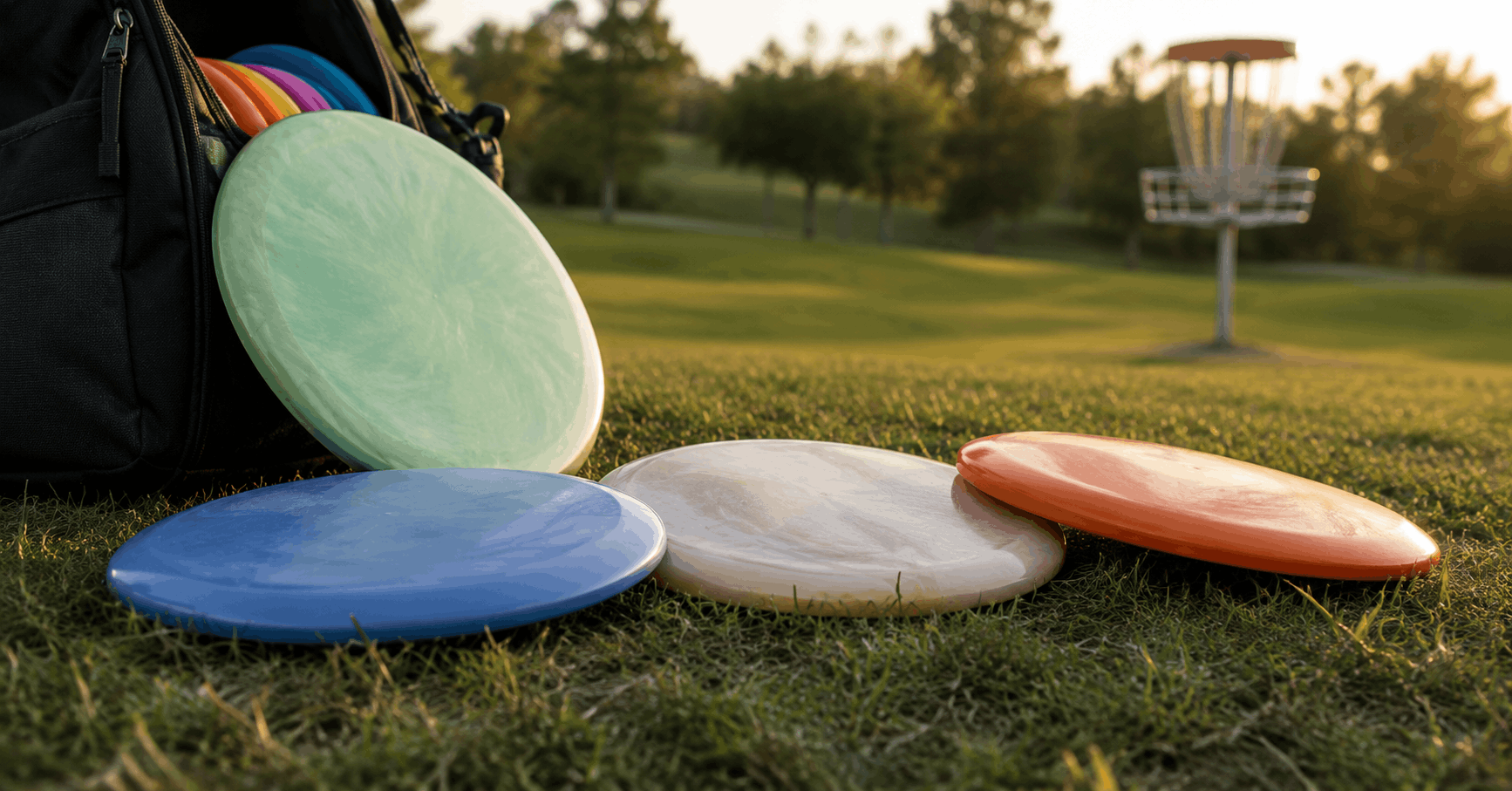
If you’ve stood in a pro shop staring at a wall of plastic wondering where to even start, you’re not alone. Picking the best disc golf discs isn’t about grabbing whatever has the coolest stamp on it. It’s about matching flight numbers, plastic type, and your own arm speed to the shot you’re actually trying to throw.
I’ve watched plenty of new players load up their bag with three overstable distance drivers they can’t come close to controlling, then wonder why every drive turns into a low, ugly hook into the woods. So let’s sort through what actually works, disc by disc, and why.
Quick Verdict
For most players, a well-rounded bag built around a stable midrange, a forgiving fairway driver, and a reliable putter will outperform a bag stacked with high-speed distance drivers. If you only take one thing from this article, take this: the Discraft Buzzz and the Innova Roc are two of the most trusted midranges in the sport for a reason, and they belong in nearly every bag regardless of skill level.
Best Disc Golf Discs Compared
| Disc | Category | Best For | Flight Numbers (Speed/Glide/Turn/Fade) |
|---|---|---|---|
| Innova Destroyer | Distance Driver | Advanced/high arm speed | 12/5/-1/3 |
| Discraft Nuke | Distance Driver | Max distance, understable shots | 13/6/-3/2 |
| Innova Leopard3 | Fairway Driver | Beginners, controlled turnover | 7/5/-2/1 |
| Discraft Buzzz | Midrange | Nearly everyone | 5/4/-1/1 |
| Innova Roc | Midrange | Approach shots, control | 5/3/0/3 |
| Dynamic Discs Judge | Putter | Putting, short approach | 2/4/0/1 |
| Discraft Luna | Putter | Beginners, straight flight | 3/3/0/1 |
This table isn’t exhaustive, and it shouldn’t be treated as gospel either. Flight numbers on the manufacturer’s chart are a starting point, not a promise. Plastic wear, wind, and your own release angle change how a disc actually flies once it leaves your hand.
Distance Drivers Worth Owning
Innova Destroyer
The Destroyer has been a staple in tournament bags for years, and it’s earned that reputation honestly. It’s a fast, overstable driver that rewards high arm speed with long, consistent flights that hold their line into the wind. The catch is that this disc punishes players who can’t generate the speed to make it work. Thrown too slow, it just turns into a hard left hook (for right-handed backhand throwers) and dies early.
In my experience, this is the disc that separates intermediate players from advanced ones, not because it’s magic, but because it demands a certain swing speed before it starts flying the way the Innova flight chart suggests.
Discraft Nuke
If the Destroyer is too much disc for you right now, the Nuke is a gentler entry into distance driving. It’s understable enough to turn over nicely for players still building power, which means it’ll actually finish its flight with an “S” shape rather than diving hard left. One thing worth flagging: understable discs like this get more overstable as they wear in, so a beat-in Nuke can behave completely differently from a fresh one.
Fairway Drivers for Control
Innova Leopard3
This is often the first “real” driver a lot of new players buy, and for good reason. The Leopard3 is slow enough to throw with a smooth, controlled release and stable enough to go straight without much fuss. It’s not going to win you distance competitions, but it’ll put your disc where you’re aiming, which honestly matters more for most rounds of disc golf.
What tends to surprise people is how long a disc like this stays relevant in the bag. Even players who’ve moved on to faster drivers often keep a Leopard3 or similar fairway driver around for tight, wooded fairways where control beats raw distance.
Midrange Discs You’ll Actually Throw Often
Discraft Buzzz
There’s a reason the Buzzz shows up in nearly every “best disc golf discs” list you’ll find, and it’s not hype. It’s predictable, it’s forgiving of a slightly off release, and it works for approach shots, controlled drives, and even some putting situations in a pinch. If you’re only going to own one midrange, this is a defensible choice.
Innova Roc
The Roc offers a bit more glide than the Buzzz along with a straighter, more neutral flight. It’s a great option for players who want a disc that goes exactly where they point it without much turn or fade to account for. Some players find the grip a little less comfortable than the Buzzz’s beveled edge, so it’s worth trying both before committing.
Putters That Hold Up Under Pressure
Dynamic Discs Judge
The Judge is arguably the most popular putter in the sport right now, and once you throw one, it’s easy to see why. It’s stable, comfortable in the hand across a range of plastic blends, and reliable both on the green and for short approach shots inside 200 feet.
Discraft Luna
The Luna is a softer, straighter-flying alternative that a lot of beginners gravitate toward because it’s genuinely hard to mess up. It won’t fade hard at the end of its flight the way some putters do, which makes it a safer bet on shorter, more delicate putts.
Buying Guide: How to Actually Choose
Flight numbers only tell part of the story. Speed measures how fast you need to throw the disc to get the intended flight, glide affects how long it stays in the air, turn describes how much it wants to bank right during the high-speed part of the flight, and fade is how hard it hooks left at the end. But none of that matters if you’re buying based on the chart alone and ignoring your own arm speed.
A common mistake is buying discs meant for touring pros because they’re the ones winning on television. Most recreational players will get more consistent results out of slower, more forgiving discs, even if that feels less exciting in the shop. Start with a midrange and a putter before you even think about a distance driver. You’ll build better form that way, and you’ll lose fewer discs in the process, which is its own kind of win.
Plastic type matters too, though it’s often overlooked. Premium plastics (like Innova’s Star or Discraft’s ESP) resist wear and hold their flight numbers longer, while base plastics are cheaper but beat in faster, becoming more understable over time. That’s not necessarily bad. Some players intentionally buy base plastic discs specifically because they want them to beat in and turn over more.
Common Mistakes When Building a Disc Golf Bag
Buying too many overstable, high-speed drivers before you’ve got the arm speed to control them is probably the single biggest mistake new players make. It leads to frustration and a lot of lost discs in the rough.
Another one: ignoring putters entirely. Putting accounts for a huge share of your final score, and yet it’s the category most beginners spend the least time thinking about when they’re shopping. A PDGA rules resource is worth a read if you’re new to the sport and want to understand how disc specifications and legality actually work, since not every disc on the market is tournament legal.
FAQs
How many discs should a beginner carry? Somewhere between 8 and 12 is plenty to start. A couple of putters, one or two midranges, a fairway driver, and maybe one forgiving distance driver covers most situations you’ll face on a beginner-friendly course.
Do more expensive discs fly better? Not necessarily. Premium plastic mostly buys you durability and grip in wet weather, not better flight performance out of the box. A base plastic disc with the right flight numbers will often outperform an expensive premium disc that’s wrong for your arm speed.
What’s the difference between a fairway driver and a distance driver? Fairway drivers are slower and easier to control, generally in the 5 to 9 speed range, while distance drivers start around speed 10 and go up from there. Distance drivers require more arm speed to fly correctly and are less forgiving of imperfect form.
Should I buy discs based on what pros use? It’s tempting, but pro players throw at speeds most recreational golfers never reach. A disc built for a 500-foot arm can behave completely differently in the hands of someone throwing 300 feet. Try before you buy when possible, or start with beginner-friendly options and work your way up.
Final Recommendation
If you’re building a bag from scratch, start with a Discraft Buzzz, a Dynamic Discs Judge, and an Innova Leopard3. That combination covers the vast majority of shots you’ll face on a typical round, and it’ll teach you proper form before you start chasing distance with faster plastic. Once you’ve got a feel for how discs turn and fade, adding something like a Destroyer or a Nuke makes a lot more sense, and you’ll actually be able to control it. The Professional Disc Golf Association also maintains an approved disc list if you want to check legality before a tournament round, which is worth doing before you get too attached to a disc that might not be tournament legal.