





South Dakota Car Shipping: Costs, Timing, and What to Know
Pricing on interstate auto transport comes down mostly to distance, vehicle size, and whether you choose open or enclosed transport. Based on recent industry pricing data, shipping a car out of South Dakota generally runs somewhere between $700 and $1,100 for shorter regional routes, with costs climbing well past $1,500 for cross-country moves to places like Florida or the East Coast.
Distance matters more than almost anything else. A shorter regional move, say from Sioux Falls to Minneapolis, typically costs somewhere in the $430 to $650 range and takes one to four days. Compare that to a cross-country haul from South Dakota to California, which tends to run $1,200 to $1,800 and take three to nine days, and the pricing logic becomes pretty clear. In my experience, people underestimate just how much a few hundred extra miles adds to the total, especially once you factor in fuel costs for the carrier and the reduced route density outside major interstate corridors.
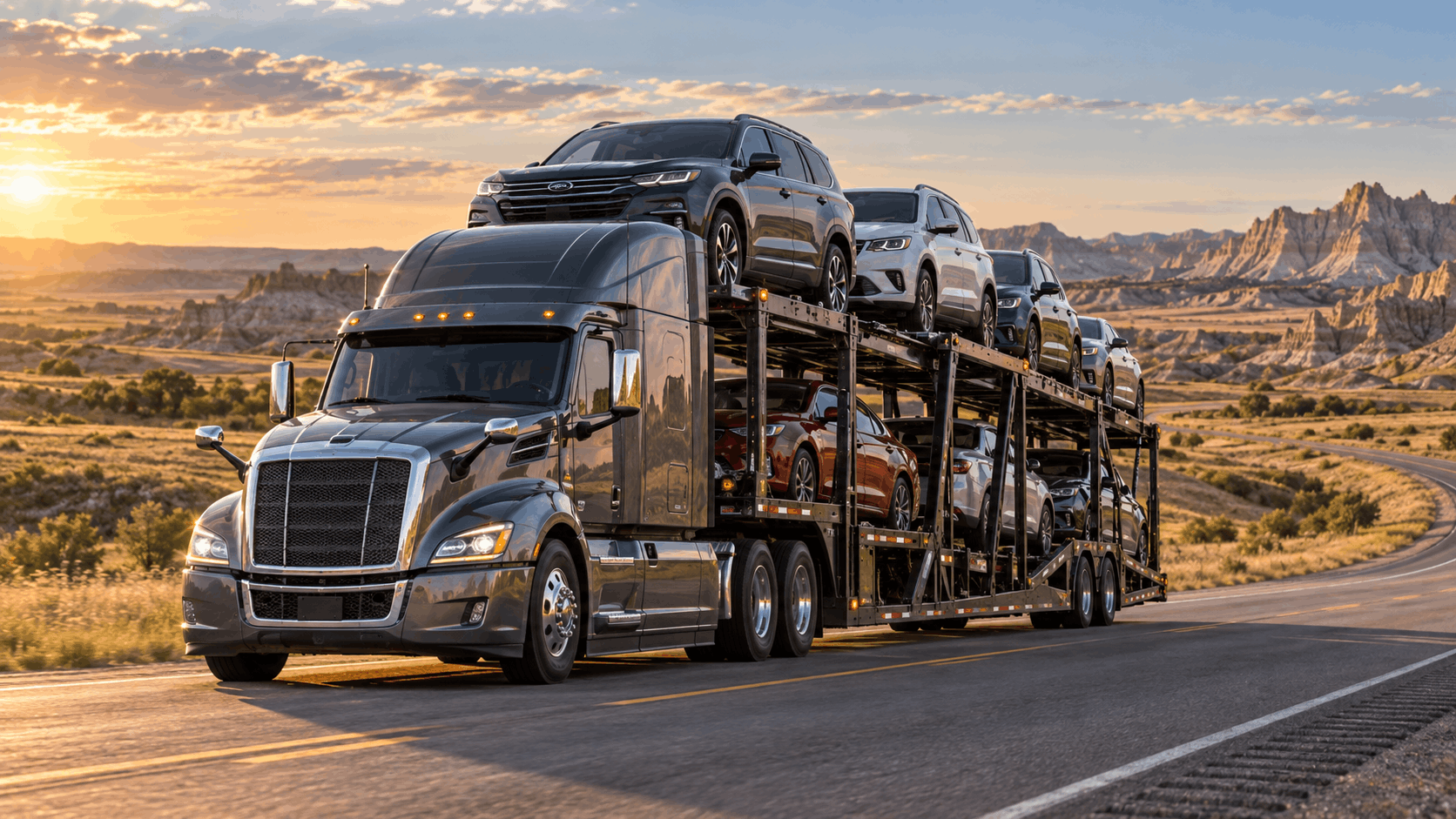
Open transport, where your vehicle rides exposed on a multi-car trailer, is the standard and cheapest option, and it’s what the overwhelming majority of auto transport companies use by default. Enclosed transport, which fully protects the vehicle from weather and road debris, typically costs 30% to 50% more and is mostly worth it for classic cars, exotic vehicles, or anything you genuinely can’t risk exposing to road grime and gravel chips.
Why South Dakota’s Geography and Weather Actually Matter
One thing worth flagging that doesn’t come up as often in general auto transport advice: South Dakota’s rural layout means pickup and delivery logistics work differently here than in a dense metro area. If you live outside Sioux Falls, Rapid City, or one of the state’s other larger towns, don’t assume a carrier will roll a full-size trailer right up to your driveway. Many rural addresses require what’s called a “terminal-to-terminal” arrangement, or at minimum a meeting point along a more accessible route, since large car-hauling rigs genuinely can’t navigate some smaller rural roads.
Winter weather adds another layer worth planning around. South Dakota winters bring genuinely severe conditions, including sustained sub-zero temperatures and heavy snow, particularly from November through March. Carriers routing through or out of the state during these months build in longer transit windows, and it’s common for delivery estimates to slip by a day or two when a winter storm rolls through I-90 or I-29, the two interstates most auto transport routes rely on. If your timeline is flexible, avoiding peak winter months makes for a noticeably smoother experience. If it’s not flexible, budget extra buffer time rather than assuming the original estimate will hold.
Choosing a Transporter You Can Actually Trust
The auto transport industry has its share of brokers who look identical online but vary wildly in reliability, so a bit of due diligence goes a long way. Every legitimate interstate auto transport company or broker needs to be registered with the Federal Motor Carrier Safety Administration, and you can verify a company’s registration and safety record directly through their system before booking anything. Skipping this step is one of the more common mistakes people make when they’re in a hurry to book.
It’s also worth checking a company’s standing with the Better Business Bureau, since complaint patterns around hidden fees, delayed pickups, or damage claims tend to show up clearly there if a company has a track record of cutting corners. What tends to surprise people is how much variation exists even among companies charging similar prices. A rock-bottom quote sometimes means a broker is planning to reassign your shipment to whichever independent carrier bids lowest at the last minute, which can mean less predictability on pickup timing.
Ask directly whether you’re booking with a carrier or a broker. Brokers arrange the shipment but don’t own the trucks, while carriers own and operate the equipment themselves. Neither model is inherently better, but knowing which one you’re dealing with helps set realistic expectations about communication and who’s actually responsible if something goes wrong during transit.
What to Do Before Your Vehicle Ships
A few practical steps make the actual shipping day go smoother, regardless of which company you book. Wash your car beforehand, since a clean vehicle makes it much easier to spot any new damage during the pre-shipment inspection, which every reputable transporter should perform and document with photos.
Remove personal items from the interior. Most carriers explicitly prohibit shipping personal belongings inside the vehicle, both for liability reasons and because it adds weight the trailer isn’t rated for. Leave roughly a quarter tank of gas, enough to load and unload the vehicle without carrying unnecessary extra weight across the whole trip.
If you’re relocating to or from South Dakota permanently rather than just moving a vehicle for another reason, keep in mind that the South Dakota Department of Revenue handles vehicle titling and registration, and you’ll generally need to register a newly arrived vehicle within a set window after establishing residency. That’s a separate process from the shipping itself, but it’s easy to forget about until the shipped vehicle actually arrives and you realize the paperwork clock has already started.
Is South Dakota Car Shipping Worth It Versus Driving Yourself
For most people relocating a reasonable distance, paying for transport works out cheaper than it looks on paper once you factor in gas, hotels, food, and the wear and tear of a long solo drive, especially across a state where winter road conditions can turn a straightforward drive into a genuinely risky one. A car carrier trailer moving your vehicle alongside several others spreads the transport cost efficiently in a way a solo road trip simply can’t match.
That said, if you’re only moving a short regional distance, say within a couple hundred miles, and you have the time and a reliable second driver, driving it yourself can still make sense financially. The math tips toward shipping pretty clearly once you’re looking at cross-country distances or winter-season timing, where the risk and hassle of a long solo drive start to outweigh the shipping cost.