





Is Amazon Trustworthy to Buy Cameras Off Of? A Real Answer
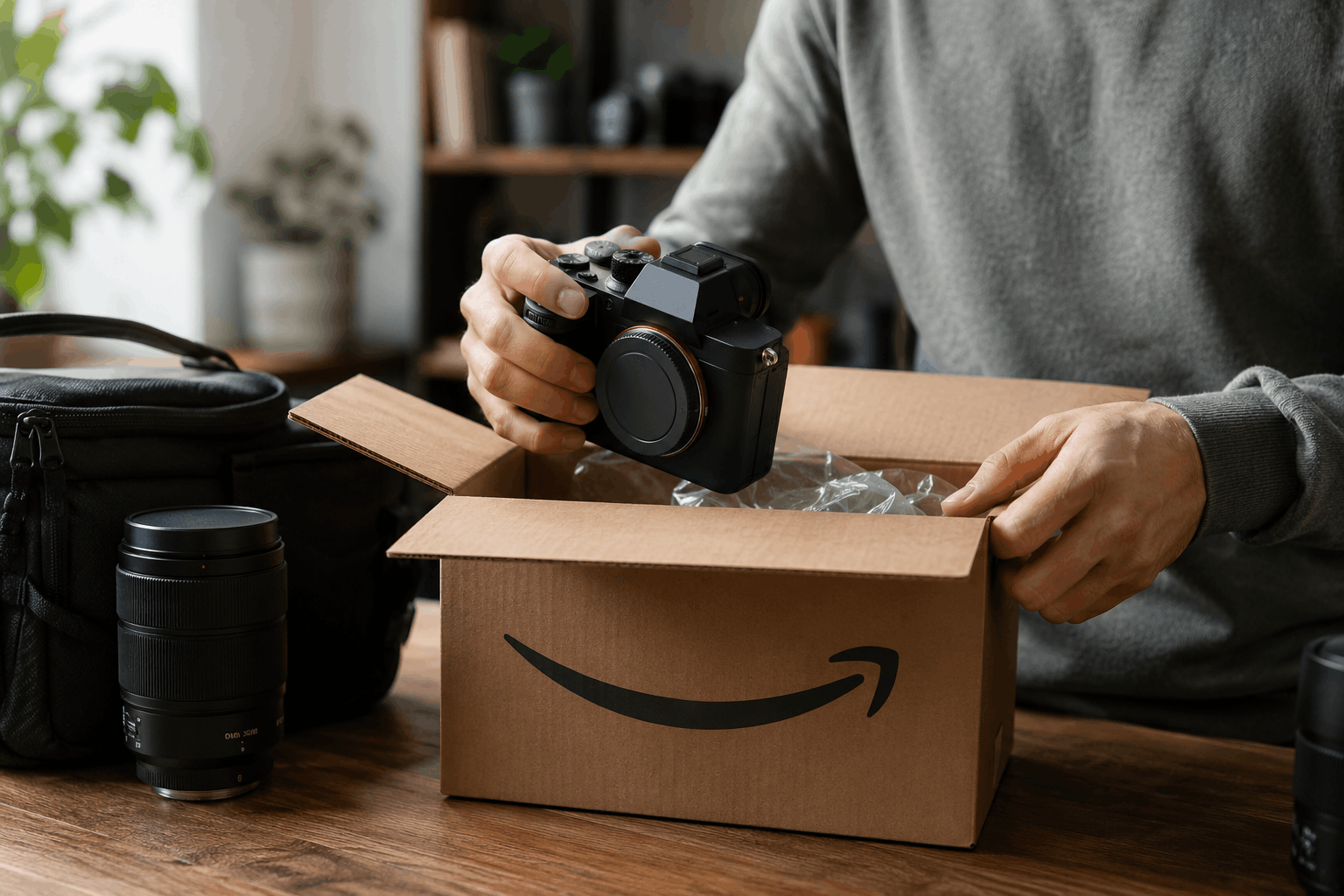
If you’ve typed “is amazon trustworthy to buy cameras off of” into a search bar, you’ve probably already seen a camera you like at a price that seems almost too good. That instinct to double-check is a good one. Amazon isn’t a single store. It’s a massive marketplace with thousands of individual sellers, and that structure is exactly why the answer to this question isn’t a flat yes or no.
The short version: buying a camera on Amazon can be perfectly safe, but only if you know how to read a listing before you click “buy now.” Let’s get into the specifics.
Amazon Isn’t One Store, It’s Thousands of Them
A lot of people assume every listing on Amazon is stocked and shipped by Amazon itself. That’s not how it works. Camera listings can come from Amazon directly, from a manufacturer’s official storefront, or from a third-party seller who’s simply renting shelf space on Amazon’s platform.
This matters because the level of trust you should extend changes depending on who’s actually fulfilling your order. A listing that says “Ships from and sold by Amazon.com” carries Amazon’s own return policy and customer service backing. A listing from a third-party seller, even one with decent ratings, is a different transaction with a different set of guarantees.
In my experience, people run into trouble not because Amazon itself is untrustworthy, but because they didn’t notice which seller they were actually buying from. The camera photo and price look identical either way. The fine print underneath the “Add to Cart” button is where the real information lives.
Gray Market Cameras: The Thing Nobody Warns You About
This is the one issue that trips up more camera buyers than anything else. Some listings, especially for higher-end mirrorless and DSLR bodies, are what’s called gray market goods. These are units imported from another country’s authorized distribution channel and resold in the US without going through the manufacturer’s official US distributor.
Gray market cameras aren’t fake. They’re real, functioning products. But they usually come with a shorter or nonexistent manufacturer warranty in your country, and if something breaks, Canon, Nikon, or Sony’s official US service centers may refuse to touch it. A camera priced 15-20% below everywhere else is worth a second look, because that gap often means gray market stock rather than a genuine sale.
One thing worth flagging: the listing rarely uses the words “gray market” anywhere. You have to look for phrases like “international version,” “no US warranty,” or a vague “1-year seller warranty” instead of the manufacturer’s name. If the warranty section doesn’t explicitly name the manufacturer, assume it’s not a US-backed unit until proven otherwise.
What Actually Makes a Listing Trustworthy
Skip the general seller rating for a second, because a 95% positive score doesn’t tell you much when a seller has moved thousands of phone cases and only a handful of cameras. Instead, check a few specific things:
The seller’s feedback profile, filtered by category if possible, since camera-specific complaints tell you far more than an overall percentage. The warranty language, which should name the actual manufacturer rather than “seller warranty” or “extended protection plan.” Whether the listing is fulfilled by Amazon (marked FBA) or shipped directly by the seller, since FBA orders at least pass through Amazon’s own logistics and are covered by the A-to-z Guarantee even when a third party sold the item.
I’d also check the product images closely. Stock photos pulled straight from the manufacturer’s press kit, with no actual photos of the unit in a box, are a mild red flag on used or “open box” listings. It doesn’t automatically mean something’s wrong, but it’s worth an extra minute of scrutiny.
Buying New vs. Used vs. “Renewed”
Amazon’s Renewed program covers refurbished electronics with a 90-day guarantee, and it’s genuinely useful for camera bodies and lenses if you’re trying to save money without gambling on a random used listing. That said, camera renewed listings are less common than they are for phones or laptops, so don’t expect a huge selection.
Straight-up used listings from third parties are a mixed bag. Some sellers grade condition accurately and photograph the actual unit, especially for lenses where scratches on the barrel or fungus in the glass are easy to spot in a photo. Others recycle stock images and hope you don’t ask questions. If a used listing has no seller photos and a description shorter than two sentences, that’s usually a pass.
New, sealed cameras sold by Amazon itself or by an authorized retailer are where the trust question mostly disappears. The risk concentrates almost entirely in the used and third-party gray market space, not in the straightforward new purchase from a recognizable seller.
How Amazon’s Buyer Protection Actually Works
Amazon backs qualifying purchases through its A-to-z Guarantee, which covers situations where an item never arrives, arrives significantly different from its description, or gets damaged in shipping. It applies to third-party sellers too, not just items sold directly by Amazon, which is a real safety net most people don’t realize they have.
Returns are the other piece. Amazon’s standard return window for most electronics is 30 days, though some third-party sellers set stricter policies, so it’s worth reading the specific return terms on the product page rather than assuming the platform default applies everywhere. Cameras purchased during holiday sales periods sometimes get extended return windows, but that’s seasonal and not guaranteed year-round.
Where this breaks down a little is with warranty claims after the return window closes. If a gray market camera develops a sensor issue eight months in, Amazon’s buyer protection won’t help you, because that’s a manufacturer warranty issue, not a “did the seller deliver what was promised” issue. That’s the gap people miss.
When You Should Just Buy From a Camera Specialist Instead
Amazon works well for point-and-shoots, action cameras, and mainstream mirrorless bodies where the listing is clearly Amazon-fulfilled and the price matches what you’d see elsewhere. But for higher-end bodies, rare lenses, or anything where you want a trade-in program, in-person support, or a US-based rental history on used gear, retailers like B&H Photo Video or Adorama are worth comparing against Amazon’s price before you commit.
Both are authorized dealers for essentially every major camera brand, which removes the gray market question entirely. Their used gear programs also tend to include more detailed condition grading than a random third-party Amazon listing. I’d lean toward one of these for anything over a few thousand dollars, simply because the after-sale support tends to be more predictable.
A Quick Gut-Check Before You Buy
Before hitting purchase, look at three things on the listing itself: who’s actually selling it, whether the warranty explicitly names the manufacturer, and whether the price is unusually low compared to three or four other retailers. If two of the three raise a flag, slow down and dig into the seller’s other listings before you commit.
It also helps to cross-reference the price against a source that tracks pricing across retailers, since a sudden unexplained discount is often the clearest signal something’s off with the listing. Coverage from outlets like The Verge regularly discusses pricing quirks and counterfeit risks across major marketplaces, and it’s a decent habit to skim before a big purchase.
FAQs
Is it safe to buy an expensive camera on Amazon? Yes, as long as the listing is sold by Amazon itself, the manufacturer’s official store, or a third-party seller with a clean, category-specific feedback history and a warranty that names the actual manufacturer.
How do I know if a camera on Amazon is gray market? Check the warranty section closely. If it says “seller warranty,” “international warranty,” or doesn’t mention the manufacturer by name, treat it as gray market until you confirm otherwise directly with the seller.
Does Amazon’s return policy cover camera gear bought from third-party sellers? Generally yes, through the A-to-z Guarantee, though the specific return window can vary by seller, so check the individual listing’s return policy rather than assuming a blanket 30-day rule applies.
Are Amazon Renewed cameras worth buying? They can be, thanks to the 90-day guarantee, but selection is limited compared to phones and laptops, so you may need to check back periodically or widen your search to specific lens and body models.
Should I buy from Amazon or a dedicated camera retailer? For mainstream gear at a fair price, Amazon is fine. For high-end bodies, rare lenses, or serious used purchases, a specialist retailer with authorized dealer status usually offers more reliable support after the sale.