





Ricoh HDF Cameras Explained: GR III, IIIx, and IV Compared
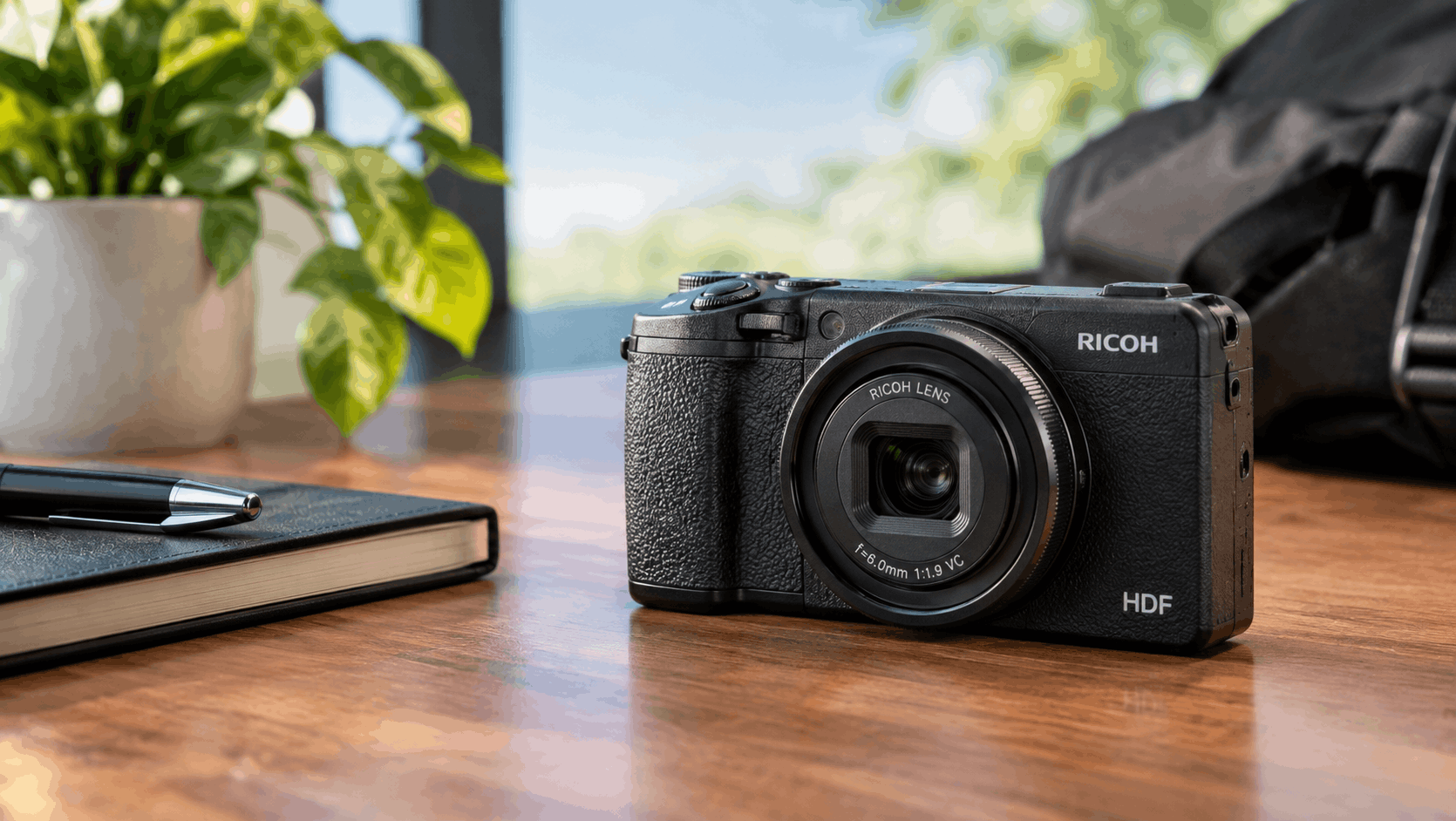
Ricoh HDF stands for Highlight Diffusion Filter, and unlike most in-camera effects that get applied digitally after the shot, this is a genuine physical optical filter built into the shutter unit itself. Ricoh developed it using the company’s long-standing inkjet technology background, and the effect softens and diffuses bright highlights in a frame, giving images a look that leans toward old film photography or vintage cinema rather than the crisp, clinical rendering most modern sensors are built to produce.
What makes this different from a software filter is that it’s a real physical element sitting in the optical path, not a post-processing effect layered on afterward. You toggle it on or off with a single button press, typically mapped to the Fn button by default, so you can shoot the same scene with HDF engaged for a soft, glowing highlight treatment or disengaged for the sharp, contrasty look the Ricoh GR series has built its reputation on since long before HDF existed.
In my experience, built-in optical effects like this tend to be more of a creative tool for a specific look than something you’d leave on permanently, and that’s exactly how Ricoh designed the toggle to work. It’s meant to be switched in and out shot to shot depending on what a scene calls for, not baked in as a permanent setting.
The Three HDF Models Right Now
Ricoh has released HDF versions across three different GR bodies, and the differences between them come down mostly to lens focal length and how recently each one launched.
GR III HDF uses the same 18.3mm lens as the standard GR III, equivalent to a 28mm wide-angle field of view in 35mm terms. It launched in spring 2024 alongside the GR IIIx HDF, with a US price around $1,069.95 at launch.
GR IIIx HDF shares the same core body and sensor as the GR III HDF but swaps in a 26.1mm lens, equivalent to 40mm, a noticeably tighter field of view closer to a standard human-vision perspective. It launched at the same time as the GR III HDF, priced slightly higher at around $1,149.95 in the US. If you shoot more portrait-style or subject-focused work rather than wide environmental scenes, this is the one most photographers in the GR ecosystem gravitate toward.
GR IV HDF is the newest addition, built on the more recently released standard GR IV rather than the older GR III platform. Ricoh Imaging Americas confirmed a launch with a manufacturer’s suggested retail price of $1,599.95, a meaningful jump over both HDF models built on the GR III platform, reflecting the newer core camera it’s based on rather than the HDF filter itself adding that much cost.
Across all three, the core specs that matter for image quality stay consistent within their respective platforms: a 24-megapixel APS-C CMOS sensor, in-body three-axis shake reduction rated at up to 4 stops of compensation, a fast start-up time of around 0.8 seconds, and Full HD video rather than 4K, since the GR series has always prioritized stills performance and pocketability over video specs.
Why the Price Jump Over Standard GR Models
One thing worth flagging clearly: HDF versions cost more than their non-HDF counterparts, and that premium is specifically for the added optical hardware and the exclusivity of getting a feature that isn’t available on the base models at all. If the diffusion effect isn’t something you’d actually use regularly, the standard GR III, GR IIIx, or GR IV models deliver essentially the same core shooting experience without paying extra for a filter you might rarely toggle on.
What tends to surprise people new to the GR HDF lineup is how permanent this decision is. Since HDF is a physical filter built into the shutter mechanism rather than a firmware feature, there’s no way to add it to a standard GR body after purchase, and there’s no way to remove it from an HDF body if you decide you don’t like the added cost. It’s a decision you’re making at the point of purchase, not something to defer.
Who Should Actually Buy One
If you’re a working photographer or serious enthusiast who specifically wants a filmic, softened highlight look as a creative option without reaching for editing software every time, an HDF model earns its premium. Portrait and lifestyle photographers who want that option built into the camera itself, ready to switch on mid-shoot, are the clearest audience here.
If you’re shopping for your first GR camera or you’re primarily interested in the series for its compact size, fast autofocus, and street photography reputation rather than a specific highlight effect, save the money and go with a standard GR III, GR IIIx, or GR IV instead. You’ll get the same core shooting experience, and you can always add the diffused look in post-processing software if you want to experiment with the aesthetic occasionally rather than committing to hardware built around it.
How It Stacks Up Against Competitors
The GR series generally competes against cameras like the Fujifilm X100 series, which has its own loyal following in the compact, fixed-lens APS-C space, though Fujifilm’s approach leans more on its film simulation modes for a similar vintage aesthetic rather than a physical diffusion filter. Neither approach is strictly better. It comes down to whether you’d rather have Ricoh’s optical hardware solution or Fujifilm’s software-driven color science handling that creative territory, and pocketability tends to favor Ricoh’s GR line specifically, since it’s built smaller and lighter than the X100 series.