




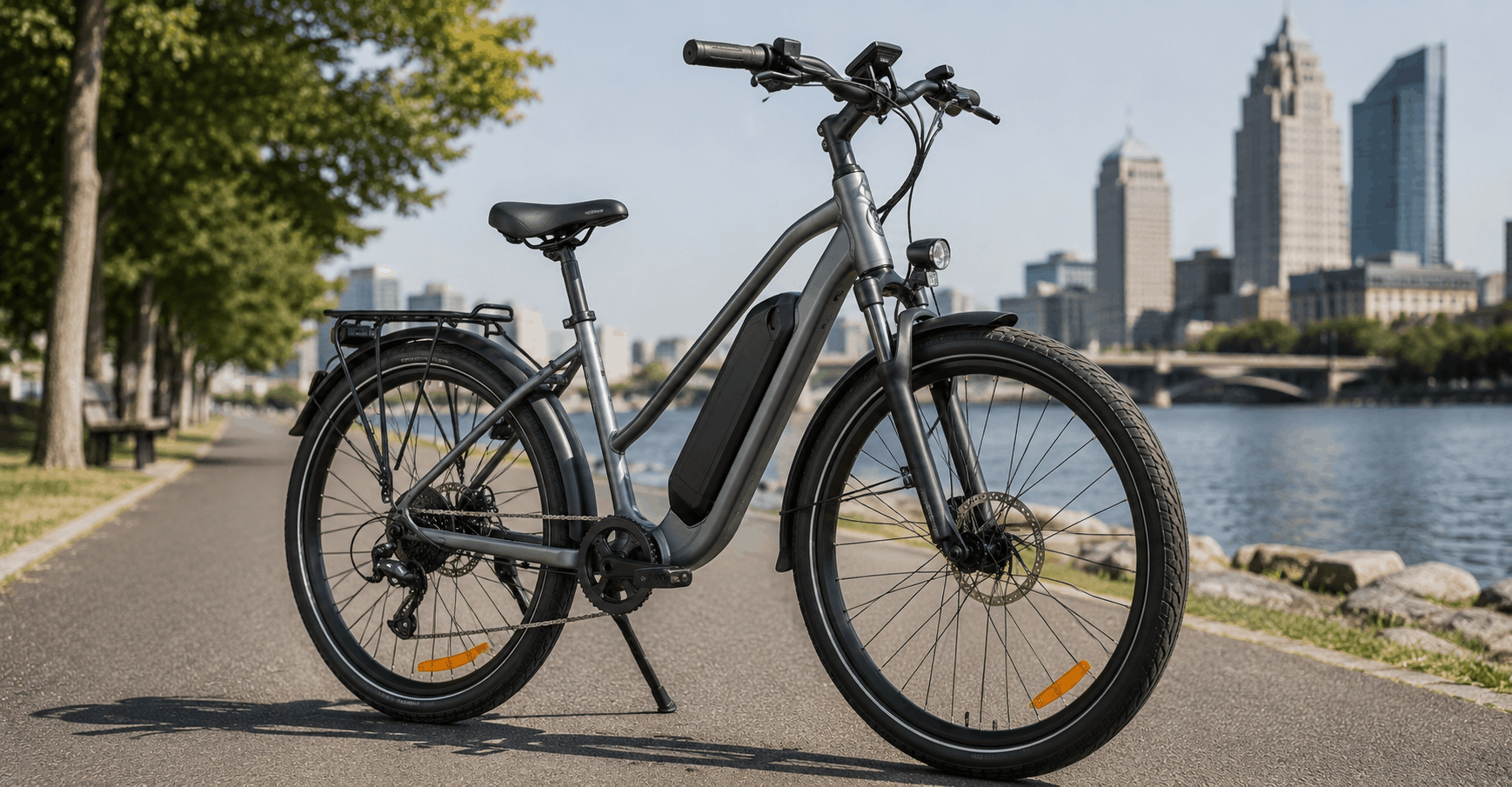
Class 2 Ebike Explained: What It Means and Why It Matters
If you’ve been shopping for an electric bike, you’ve probably run into the phrase “class 2 ebike” and wondered what it actually means beyond marketing language. It’s not a brand or a gimmick. It’s a legal classification that determines where you can ride, how fast you can go, and whether local trail rules even allow your bike on the path.
What a Class 2 Ebike Actually Is
A class 2 ebike is an electric bicycle equipped with a throttle that can propel the bike without any pedaling required, capped at a top motor-assisted speed of 20 mph. That throttle is the defining feature. You twist it or press it, and the motor does the work, similar to a scooter or a low-powered moped, except it still has pedals and looks like a regular bicycle.
This three-tier classification system (class 1, 2, and 3) was developed in the United States by PeopleForBikes, a bicycle industry coalition that worked with lawmakers state by state to create consistent rules. Most US states have since adopted some version of this framework, though the details of where each class can ride still vary by state and even by city.
How It Differs From Class 1 and Class 3
The three classes look similar on paper but ride very differently in practice.
Class 1 ebikes only assist while you’re pedaling, with no throttle at all, and they’re capped at 20 mph. Class 2 ebikes add the throttle option but keep the same 20 mph ceiling. 3 Class ebikes drop the throttle (in most states) but raise the speed cap to 28 mph, and they typically require a speedometer.
What tends to surprise people new to this is that a lot of ebikes on the market are actually class 2 and class 3 combined, meaning they have both a throttle capped at 20 mph and pedal assist that continues up to 28 mph. Manufacturers do this because it satisfies the broadest range of state laws in one bike, though it does mean the labeling on some product pages gets confusing fast.
Why the Throttle Changes Everything Legally
The throttle is the whole reason this classification matters. Bike paths, mountain bike trails, and multi-use paths that welcome class 1 ebikes without hesitation sometimes ban class 2 bikes outright, purely because of the throttle. Some land managers treat throttle-equipped ebikes closer to how they’d treat a moped, even though the top speed is identical to a class 1 bike.
In my experience, this is where a lot of new ebike owners get caught off guard. They buy a class 2 bike because the throttle sounds convenient for hills or tired legs, then find out their favorite local trail only allows class 1 access. It’s worth checking local trail signage or your city’s parks department page before assuming your new bike is welcome everywhere a regular bicycle goes.
Who a Class 2 Ebike Actually Suits
The throttle isn’t just a novelty. For commuters dealing with stop-and-go traffic, being able to accelerate from a dead stop without pedaling matters, especially at intersections where you need to get moving quickly and safely. For riders with joint pain, limited mobility, or lingering injuries, the throttle option means the bike remains usable even on days when pedaling isn’t comfortable.
It’s also genuinely useful for cargo bikes and hauling groceries or kids, where getting a heavy loaded bike moving from a standstill is harder with pedal assist alone. A throttle takes that initial effort off your legs entirely.
Where it makes less sense is for someone who wants a workout every time they ride. If your main goal is fitness, a class 1 bike forces you to keep pedaling, which for a lot of riders is actually the preferred experience.
Popular Class 2 Options Worth Knowing
Brands like Rad Power Bikes built much of their early lineup around class 2 models, and their RadRunner and RadCity lines remain popular entry points because they’re straightforward, reasonably priced, and easy to find parts for. Aventon offers class 2 and class 3 combo models across most of its lineup, giving riders the flexibility to use throttle around town and switch to higher-speed pedal assist elsewhere.
Pricing for a solid class 2 ebike generally starts in the $1,000 to $1,500 range for a reliable model from an established brand, though premium builds with better batteries and components climb well past $2,000. Since ebike pricing shifts often with new model releases, checking the manufacturer’s current site is the safest way to confirm what a specific bike costs right now.
Common Misconceptions
A lot of people assume class 2 means “cheaper” or “less capable” compared to class 3, but that’s not really accurate. Class 2 bikes aren’t inherently lower quality. The classification is about legal capability, not build quality or price tier.
Another misconception is that a throttle means you never have to pedal. Most class 2 bikes still have working pedals and pedal-assist modes, and the throttle is there as a supplement, not a replacement for the entire riding experience. You can absolutely pedal a class 2 ebike like a normal bicycle and only use the throttle occasionally.
People also assume registration and licensing rules are the same everywhere. They aren’t. Some states require nothing beyond a minimum age, while others have started introducing registration requirements specifically for throttle-equipped ebikes as usage has grown. The Wikipedia entry on electric bicycle laws gives a reasonable state-by-state overview, though for anything current or legally binding, checking your state DMV or transportation department page is the more reliable route.
Battery Range and Real-World Riding
Throttle use drains a battery noticeably faster than pedal assist alone, since the motor is doing all the propulsion work rather than supplementing your pedaling effort. A class 2 ebike advertised with a 40-mile range under pedal assist might only manage 15 to 20 miles if you’re riding on throttle the entire time.
One thing worth flagging for new buyers: manufacturer range estimates are almost always based on ideal conditions, meaning flat terrain, moderate weight, and lower assist levels. Hills, cargo weight, cold weather, and heavy throttle use all cut into that number substantially. If your commute involves hills or you’re carrying groceries regularly, budget for real-world range closer to 60 to 70 percent of the advertised figure.
Buying Advice for First-Time Class 2 Shoppers
Test ride before buying if you can. Throttle response varies a lot between brands, and some feel jumpy at low speed while others ease in more gradually, which matters more than most spec sheets suggest.
Check your state and city’s specific rules before assuming trail or bike lane access, since throttle bikes face restrictions that pedal-only class 1 bikes usually don’t. And factor battery replacement cost into your decision, since a full replacement pack a few years down the line can run several hundred dollars depending on the brand and capacity.
If you’re deciding between class 2 and class 3, think honestly about how you’ll actually use the bike day to day. Commuters on busy roads with a mix of stop-and-go traffic often prefer the throttle convenience. Riders doing longer, faster stretches on bike paths sometimes prefer the higher speed cap of class 3, even without the throttle.
FAQs
Is a class 2 ebike street legal? Yes, in nearly every US state, provided it meets the 20 mph throttle-assisted speed cap and other basic requirements like functioning brakes and reflectors. Local trail and bike path rules are separate from street legality, so always check both.
Do you need a license or registration for a class 2 ebike? Most states don’t require a license or registration for class 2 ebikes, though a growing number have started introducing age minimums or helmet requirements. Rules vary enough that checking your specific state’s current law is worth the five minutes it takes.
Can a class 2 ebike be converted to class 1 or class 3? Some models allow you to disable the throttle through a settings menu or dealer adjustment, effectively making the bike behave like a class 1 for trail access purposes, though this isn’t universal across all bikes and brands.
Is class 2 the same everywhere, or does the definition change by state? The core definition (throttle-equipped, 20 mph cap) is fairly consistent because most states adopted the same model legislation. Where things vary is access rules, meaning which paths, trails, and lanes actually permit class 2 bikes.