




Gift Baskets: How to Pick One People Actually Enjoy
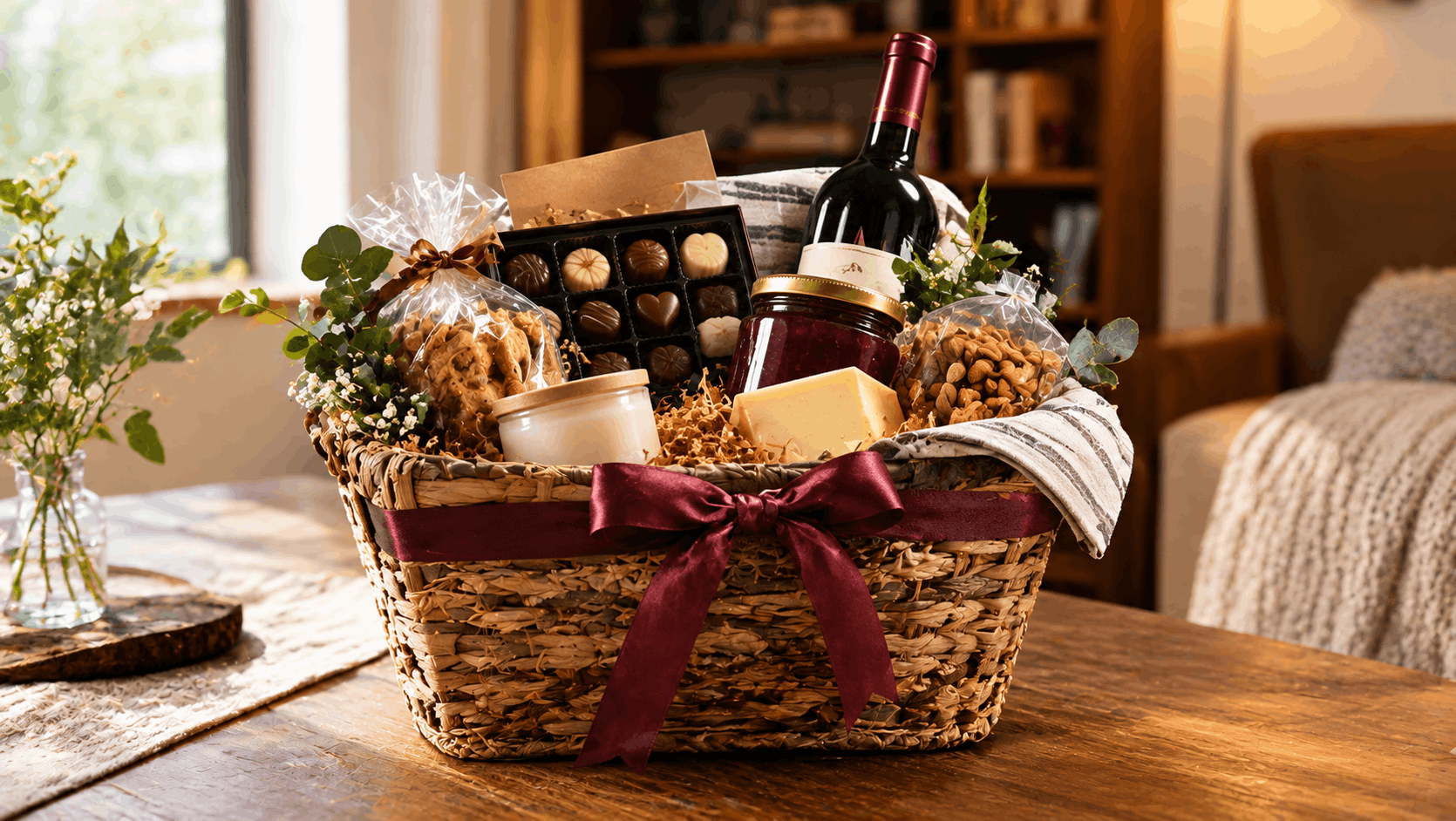
Gift Baskets: Here’s the pattern that keeps repeating. A company photographs a basket with generous-looking fillers stacked high, and what arrives is a smaller box with a lot of padding underneath. The photo isn’t exactly a lie, but it’s flattering in ways you only notice when you unwrap it.
Filler is the main culprit. Paper shred, foam, and oversized packaging make a basket look full for very little cost. If the listing doesn’t tell you what’s inside by name and size, that’s usually a sign the contents are modest.
The other common problem is generic taste. Sweet crackers, a small block of processed cheese, a candy nobody buys for themselves. Those items exist because they’re cheap and inoffensive, not because anyone thought about who would eat them.
The practice itself is old and simple, by the way. Giving a bundle of food or useful items in a container goes back a long way, and the gift basket as a retail product grew out of that habit. Somewhere along the way, convenience beat care. You can take the care back.
Start With the Person, Not the Price Tag
Before you browse a single listing, answer one question: what does this person actually do with their free time?
A coffee drinker doesn’t need a snack tower. They need good beans, maybe a small tin of biscotti, and a decent mug. A new parent doesn’t want fancy chocolates so much as things that make the next two weeks easier: quality snacks they can eat one-handed, a soft blanket, maybe a gift card for delivery food. Someone who just moved wants practical comfort, not decoration.
What tends to surprise people is how much a single specific, well-chosen item beats five generic ones. A jar of the exact hot sauce your friend keeps mentioning matters more than an entire aisle of “gourmet” spreads.
Budget comes second. Prices vary widely by retailer and change often, so check current listings rather than trusting any number I’d toss out here. As a rough habit, though, I’d rather spend a little more on a smaller basket with real ingredients than pay the same for a large one stuffed with filler. And remember that shipping and delivery fees can quietly add a meaningful chunk to the total, so compare final checkout prices, not the sticker.
The Main Types of Gift Baskets Worth Considering
Not every occasion calls for the same thing. Here’s how I’d think about the common categories.
Food and snack baskets
These are the default choice, and they work when the contents are good. Cheese, cured meats, nuts, fruit, and sweets from established food brands tend to be the safest bet. Companies like Hickory Farms built their name on this style, with sausage and cheese assortments that show up every holiday season. They’re reliable and familiar, which is exactly the point for coworkers or extended family.
Wine, spirits, and beer baskets
Fine for celebrations, awkward if you don’t know what the person drinks. Check first. Alcohol also brings legal shipping restrictions that vary by location and delivery address, and some sellers require an adult signature. If you’re ordering for someone in another state or country, look at the retailer’s shipping rules before you get attached to a particular basket.
Spa and self-care baskets
Popular for birthdays and thank-you gifts. My honest view: scented candles, bath bombs, and lotion sets work well for people who already like that stuff, and fall flat for people who don’t. Fragrance is personal. If you’re unsure, go unscented or choose something like a good hand cream and tea.
Sympathy and get-well baskets
Keep these simple and easy to accept. Nothing that needs preparing, nothing heavy. Soup mixes, tea, soft snacks, and a small comfort item beat an elaborate arrangement. Skip anything strongly scented in a hospital setting, and be careful with food if you don’t know about dietary restrictions.
Kids’ and new baby baskets
Practical wins here. Think books, small toys sized for the child’s actual age, and for babies, things parents burn through anyway. Check age ratings on toys, because a “cute” item with small parts is a hazard for a toddler.
Corporate and client baskets
These are a different animal. The goal is to look professional and be easy to share, so individually wrapped items, a clean presentation, and no strong-flavored or alcohol-heavy contents (unless you know the client well). Nut-free options are a considerate touch for an office. If you’re ordering many, ask about bulk pricing and delivery scheduling before you pay for a rush service.
Buy Ready-Made, Order From a Specialist, or Build Your Own
You’ve got three real paths, and each fits a different situation.
Ready-made from a big retailer is the fastest. Sites like 1-800-Flowers offer a wide selection across occasions, with delivery options and reminders that help if you forget birthdays (no judgment). The trade-off is that you’re choosing from a catalog, so the gift can feel a little standard.
Specialist food sellers are usually better for quality. A company like Harry & David is known for fruit, sweets, and gourmet assortments, and that focus tends to show in the products. In my experience, a seller that concentrates on a narrow category usually beats a general retailer on the actual contents, even if the presentation is less flashy.
Building your own gives you the most control and the most personality, though it takes an afternoon. I’ll say plainly that this is my favorite route when the recipient is someone you know well.
Building Your Own Gift Baskets Without Looking Cheap
The trick is restraint. A DIY basket looks amateur when it’s crowded with too many small things. Pick a theme, choose a handful of quality items, and let the container do some of the work.
Say your sister loves baking. A wooden crate with a good vanilla extract, a nice loaf pan, a bag of quality chocolate chips, and a handwritten recipe card looks intentional. Nothing in it is expensive, but it all says “I know you.”
A few habits that help:
Choose a container that’s part of the gift. A tote, a mixing bowl, a wooden tray, or a planter gets reused, and it beats a basket that ends up in the trash. If you want handmade or vintage containers and specialty items, Etsy is a good place to look, since independent sellers there offer things you won’t find on a big retail site.
Put the heaviest items at the back and the softest or most eye-catching ones in front. Use crinkle paper sparingly, just enough to stop things sliding around. And add one handwritten note. It costs nothing and, honestly, it’s often the part people keep.
One more thing: wrap it yourself in clear cellophane or a plain ribbon and skip the fussy bows. Simple looks confident.
What to Check Before You Hit Order
A few quick checks save you from most bad outcomes.
Look for a full contents list with brand names and weights. If a listing says “assorted gourmet treats” and stops there, expect the cheapest possible version of that phrase.
Check the ingredients if allergies could be involved. Nuts, dairy, and gluten show up in more baskets than you’d expect, and a sympathy or hospital gift is the last place you want a dietary surprise. When you can, ask the recipient or someone close to them.
Confirm the delivery date and the delivery window. Perishables like cheese, fruit, and chocolate don’t love sitting on a porch, especially in hot weather. If the recipient won’t be home, pick a date when someone will be, or send it to their workplace.
Read the return and replacement policy. Food is usually not returnable, but a reputable seller will replace something that arrives damaged. If the policy is vague or hidden, that tells you something about how they handle problems.
Finally, check current pricing, delivery fees, and any promotions directly on the seller’s site. These details shift often, and I’d rather you rely on live numbers than anything frozen in an article.
Who Should Skip a Basket Altogether
Baskets aren’t right for everyone. If the person is on a strict diet, has serious allergies, or has told you they’re trying to cut back on sweets, a food basket is a bad idea. If they’re a minimalist who hates clutter, a container full of small objects will feel like a burden.
And if you truly don’t know the person, consider a gift card to a store or restaurant they like. That sounds less romantic, but it works. A thoughtless basket is worse than a thoughtful card.
For close friends and family, though, a well-made basket is hard to beat. It shows effort in a way that a single item often can’t.