







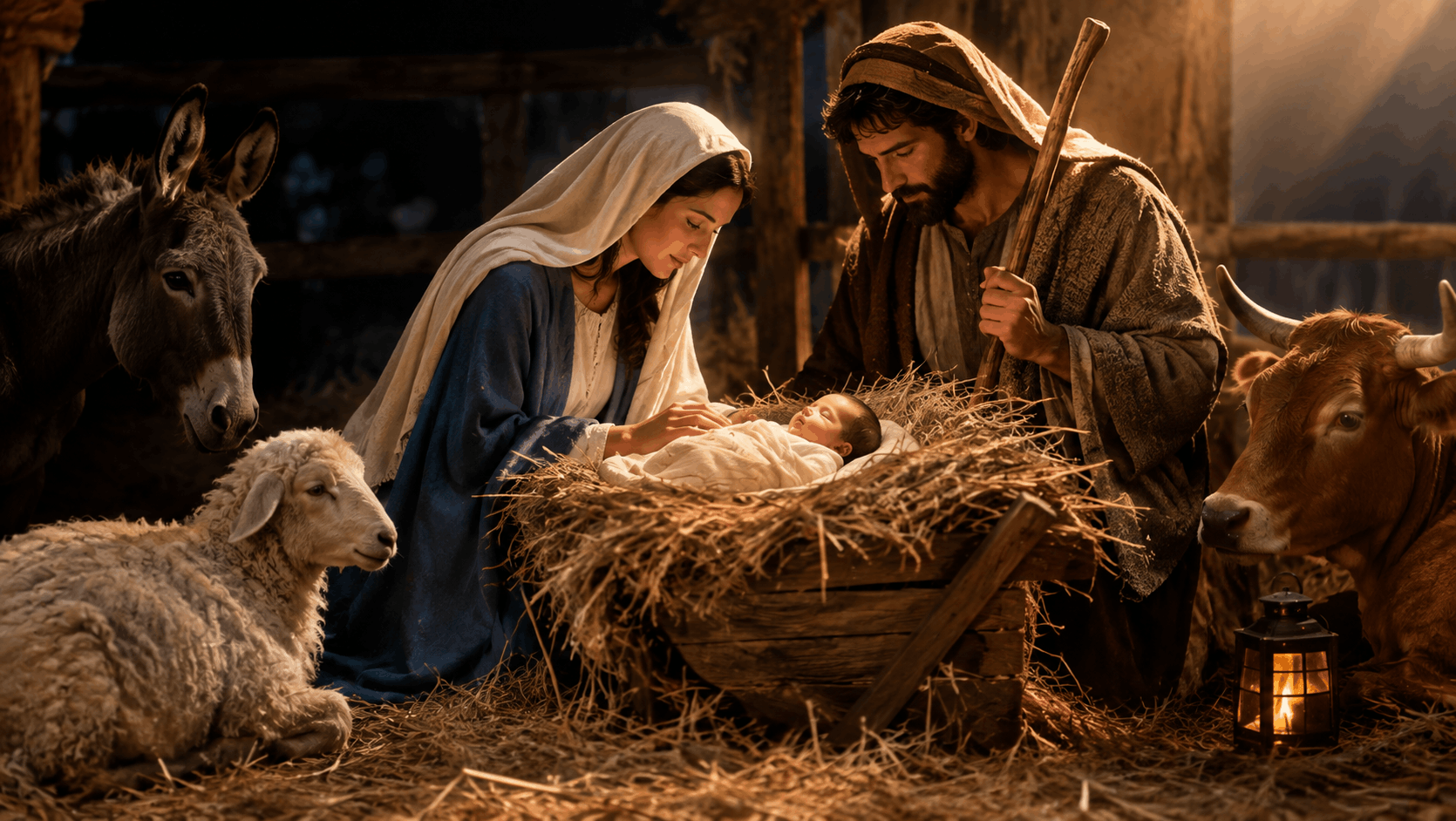
Manger Scene Nativity: History, Figures, and Buying Tips
Manger Scene Nativity: The nativity scene as we know it traces back to a specific place and date: Christmas Eve, 1223, in the small Italian town of Greccio. Saint Francis of Assisi arranged what’s considered the first live nativity, setting up a manger filled with hay inside a cave, along with a real ox and donkey, so the townspeople gathered that night could experience the humility of Christ’s birth firsthand rather than just hear it described. According to Saint Bonaventure’s account written decades later, Francis wanted to make the story feel immediate and real for people, not just a passage read aloud.
That live tradition in Greccio continues to this day, and the practice spread from there into painted and sculpted versions across Europe. Some of the earliest surviving nativity artwork actually predates Francis by centuries, including depictions found in Roman catacombs from around 380 AD, but it was Francis’s staged, three-dimensional version that set the template for what most people now picture when they think of a nativity scene. Within a few generations, sculpted nativity displays, including a notable set by the sculptor Arnolfo di Cambio made around 1290 for a Roman basilica, had become common in churches and eventually in homes.
Who Actually Belongs in the Scene
This is where a lot of confusion sets in, since store-bought sets often bundle everyone together regardless of what the Gospel accounts actually describe.
Mary, Joseph, and the baby are the constant core figures, appearing in every version of the story. Shepherds and their flock come from the Gospel of Luke, which describes shepherds in the fields being told of Jesus’s birth by an angel and then coming to see him. The ox and donkey, while beloved and nearly universal in nativity displays, aren’t actually named in either Gospel account. Their inclusion is a much older tradition drawing on an Old Testament passage from Isaiah, and Francis himself included them at Greccio, which cemented their place in the visual tradition even without direct scriptural backing.
The wise men, or magi, come from the Gospel of Matthew, and this is where a common display mistake comes in. Matthew’s account describes the wise men visiting Jesus at a house, not a stable, and likely sometime after his birth rather than on the night itself, which is part of why many traditions celebrate their arrival separately on Epiphany, January 6th. If you want a historically considered setup, some families keep the wise men figures positioned away from the manger and only “arrive” closer to Epiphany, moving them gradually across the mantel or room in the days leading up to it.
An angel is common too, generally representing the angel who appeared to the shepherds, and some sets include a star figure or ornament to represent the Star of Bethlehem that guided the wise men.
What to Consider When Buying One
Material is the first real decision point, and it shapes everything else about the set. Resin and polyresin figures are the most common for indoor and outdoor use, since they’re weather-resistant, relatively affordable, and hold detailed sculpting well. Wood carved sets, often from Italy or other European woodworking traditions, tend to cost more but have a warmth and texture that mass-produced resin can’t fully replicate. Ceramic sets are typically more delicate and better suited to careful indoor display rather than handling by young kids or repeated outdoor setup.
Scale matters more than people expect until they’ve set one up. Figures are usually sold in matched sets sized by inches (a common range is anywhere from 5 inches to 12 inches or larger for outdoor displays), and mixing pieces from different sets rarely looks right, since proportions vary noticeably between manufacturers. If you’re planning to add pieces gradually over multiple years, note the exact collection name and scale before buying anything else, so later additions actually match.
Indoor versus outdoor use changes what you should buy entirely. A resin or fiberglass outdoor set needs to handle weather, UV fading, and often needs internal lighting for evening visibility, while an indoor ceramic or wood set has no such requirements but also won’t hold up if left outside.
Setting One Up Well
Placement matters more than most people think about in advance. A manger scene displayed at a height where kids can see and, ideally, handle at least a few pieces tends to get more genuine engagement than one placed high on a shelf purely for adult viewing. Plenty of families keep a simple, durable set specifically for kids to play with and a nicer set for formal display, which sidesteps the tension between wanting it accessible and wanting it intact by January.
If you’re using the shepherds-and-wise-men timing distinction mentioned above, plan the “movement” of pieces as part of your own Advent tradition rather than leaving everyone bunched together from day one. It’s a small touch, but it gives the display a sense of unfolding rather than being a static decoration set out once and left alone.
Common Mistakes and Misconceptions
Assuming every included figure is strictly biblical is the most common one. As covered above, the ox and donkey and the exact timing of the wise men’s arrival are traditional additions layered onto the Gospel accounts over centuries, not verbatim scripture. That doesn’t make them wrong to include, since they’re a meaningful part of how the story has been told and visualized for 800 years, but it’s worth knowing the difference if accuracy matters to you.
Buying pieces from mismatched collections is the second common misstep, and it’s an easy one to avoid simply by sticking with one manufacturer’s line, especially if you plan to expand the set over several years.
And underestimating how much detail is lost at very small scale is a third. A five-inch set looks charming on a mantel but loses a lot of the sculpted facial and clothing detail that a larger set can show, so if display detail matters to you more than compact storage, size up.