







Woolino Sleep Sack Review: Is It Worth the Price?
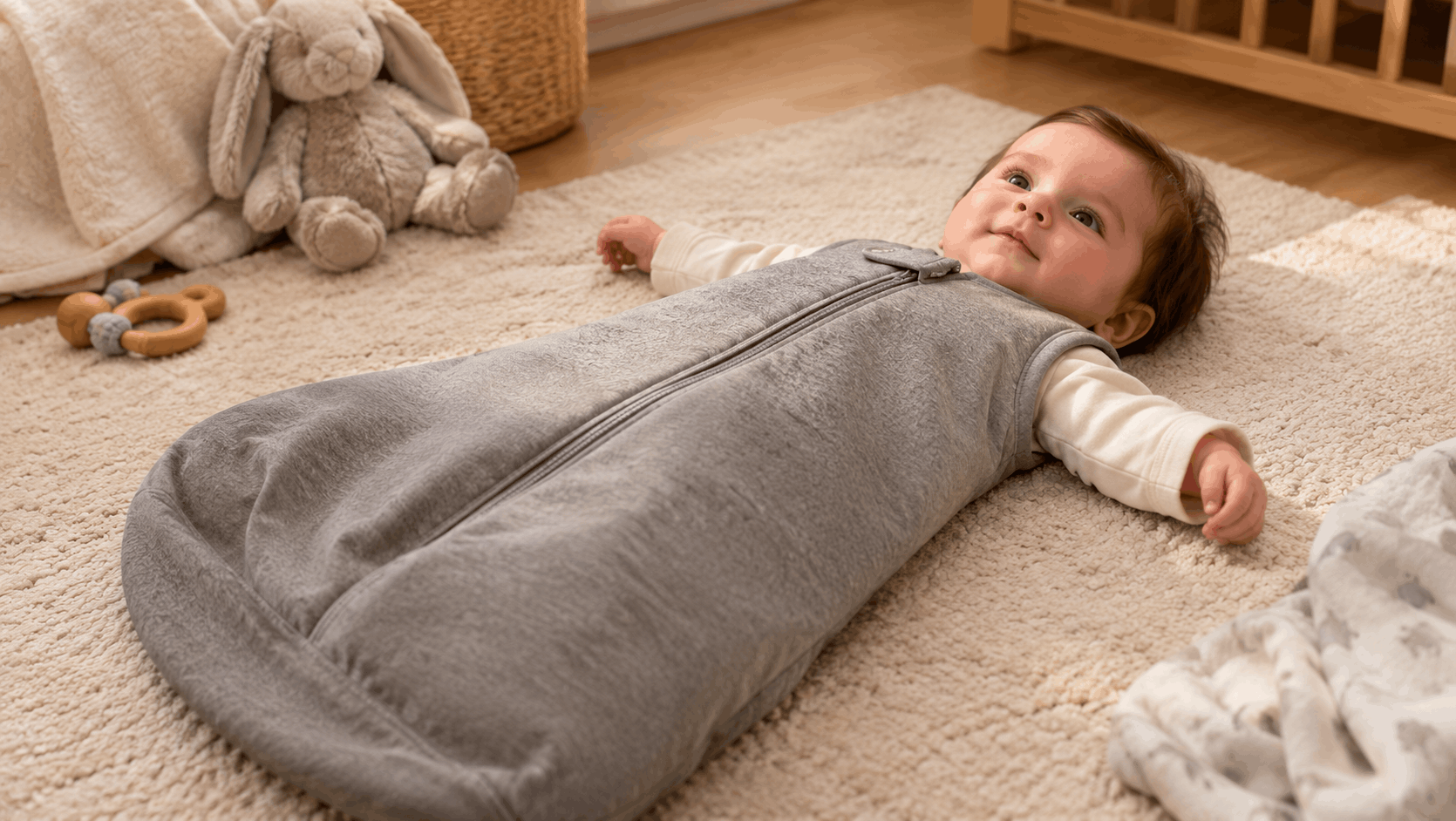
Woolino Sleep Sack Review: Woolino’s flagship product, the 4 Season Ultimate Baby Sleep Bag, is made with a 100% merino wool lining and an organic cotton outer shell. The wool comes from Woolino’s official site, which states it’s Woolmark and Responsible Wool Standard certified, while the cotton is GOTS-certified organic. The whole product also carries Oeko-Tex Standard 100 certification, meaning it’s been tested for harmful substances.
The pitch behind merino wool specifically is that it regulates temperature naturally, staying warmer in cold rooms and cooler in warm ones by wicking moisture and creating what the brand describes as a “micro-climate” around the baby. This is a real, documented property of merino wool as a fiber, not marketing fiction, though how much difference it makes night to night will vary by baby and room conditions.
Sizing and the TOG Question
Here’s something worth clarifying directly, since it trips people up. Most sleep sacks are rated by TOG (Thermal Overall Grade), a fixed number indicating how much warmth the fabric provides, which is how you’d typically match a sack to your room temperature. Woolino’s 4 Season line doesn’t use a single fixed TOG rating. Because the sack is made from natural, breathable fibers with no synthetic fill, the company designs it to work across a stated room temperature range of roughly 63 to 75°F rather than being pinned to one TOG number.
Practically, that means you’re trusting the wool’s natural regulating properties rather than picking a specific TOG for your season, which is the entire selling point but also means you’re taking the brand’s word for how well that regulation works rather than relying on a standardized number the way you would with, say, a 1.0 TOG cotton sack.
Sizing runs a bit differently depending on which collection you buy. The Ultimate (universal) version fits babies from 2 months to 2 years, roughly 10 to 32 pounds and 23 to 35 inches, with underarm snaps to adjust the fit for smaller babies. The Basic collection instead comes in three traditional sizes: 0 to 6 months, 6 to 18 months, and 18 to 36 months. If you want one sack to grow with your baby over a longer stretch, the Ultimate is the one to look at. If you prefer a snugger, size-specific fit at each stage, Basic is the better call.
How It Fits Into Safe Sleep Guidance
This is worth addressing directly rather than glossing over. The American Academy of Pediatrics recommends against loose blankets in a crib as part of reducing SIDS risk, and a wearable blanket, which is what a sleep sack is, is a commonly recommended alternative that keeps a baby covered without loose bedding in the sleep space. A sleep sack on its own doesn’t replace other safe sleep practices, though, like placing a baby on their back to sleep and keeping the crib free of pillows, bumpers, and toys. If you have specific questions about your baby’s sleep setup, particularly around room temperature and how many layers to use underneath a sack, that’s worth raising with your pediatrician rather than relying solely on brand guidance, since individual babies and rooms vary.
Design Details Worth Knowing
The Ultimate version fastens at the shoulders rather than using a full zipper, with seatbelt holes that let a baby wear it in a car seat or stroller without needing to take it off, which is a genuinely convenient touch for parents managing multiple transitions during the day. Other reviewers and retailers note a two-way side zipper on some models, which makes nighttime diaper changes easier without fully undressing a sleeping baby.
Care instructions matter more with wool than with a typical cotton sack. Machine washing is supported on a low, cool setting, and hand washing is recommended for longer-term fiber quality, with tumble drying on a no-heat setting or laying flat to dry. Merino wool is also naturally self-cleaning to some degree and doesn’t need washing as often as cotton, according to the brand, which can actually reduce laundry frequency over time even though each wash needs more care.
Price and Value
Woolino sits at the premium end of the sleep sack market. Exact pricing shifts by size and collection, so check Woolino’s official site for current numbers rather than relying on a figure that might be outdated by the time you’re reading this. The value argument the brand makes, and one that holds up reasonably well, is that a single Ultimate-sized sack can replace what would otherwise be separate winter and summer sacks from a cheaper brand, which narrows the price gap somewhat over the life of the product.
Pros and Cons
The clearest strengths are the year-round usability without needing separate seasonal sacks, genuinely soft and breathable merino wool that a lot of parents and reviewers describe as noticeably more comfortable than synthetic alternatives, and solid third-party certifications (Oeko-Tex, GOTS, Woolmark) that back up the safety and quality claims rather than leaving them as unverified marketing language.
The real downsides are the price, which is meaningfully higher than cotton or bamboo competitors, the more involved wool care routine compared to tossing a cotton sack in the wash without much thought, and the lack of a fixed TOG number, which some parents find reassuring on other brands and might miss here if they’re used to shopping by that number specifically.
How It Compares to Cheaper Alternatives
Cotton options like Burt’s Bees Baby or HALO’s cotton sleep sacks typically run at a lower price point and use a standard fixed TOG rating (commonly 0.5 or 1.5 depending on the model), which some parents prefer for its simplicity. Bamboo-based sacks, like those from Kyte Baby, offer a different kind of breathability and softness at a mid-range price, often also with a fixed TOG.
If budget is the main constraint, a cotton sack with a clear TOG rating is a perfectly reasonable choice, and there’s nothing wrong with prioritizing cost over the merino upgrade. If you want fewer purchases over time and you’re comfortable with the extra wool care, Woolino’s year-round approach is where it earns its price premium.
Who Should Buy This
Parents who want to minimize the number of sleep sacks they buy across seasons, who don’t mind a slightly more involved wash routine, and who have the budget for a premium product are the clearest fit. It’s also a reasonable pick if you specifically want a natural-fiber option and are trying to avoid synthetic fills.
Who Should Skip It
If you’re working with a tighter budget, a fixed-TOG cotton sack will do the core job just as safely and simply, and you can put the savings elsewhere. If you strongly prefer shopping by a specific TOG number rather than a stated temperature range, a brand with fixed TOG sizing might feel more predictable to you.